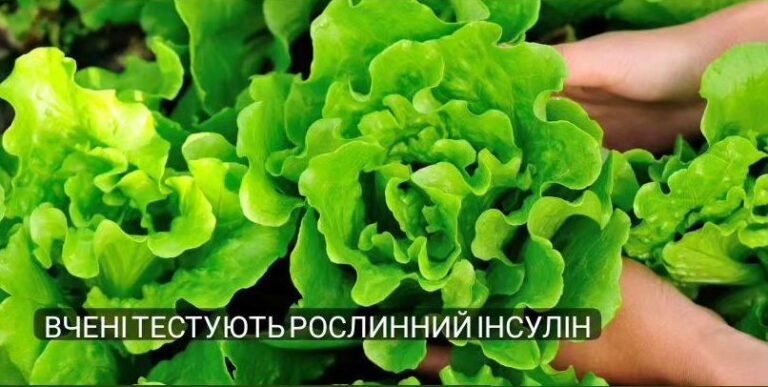
In the search for alternative protein, people have already made yogurt from mushrooms, cheese from lettuce and sports nutrition from crickets, and they aren’t stopping there. Bamboo could be the next protein source comparable to cow’s milk, according to scientists at the China National Bamboo Research Center.
Bamboo shoots have long been part of traditional Asian cooking. They are eaten fresh, pickled, fermented, dried, canned and frozen, and made into juices and powders. Bamboo is also processed into functional food ingredients that are added to baked goods and yogurts to enrich them.
According to the research, bamboo shoots are an excellent source of protein and dietary fiber. They are low in fat, rich in vitamins and contain seven of the nine essential amino acids, at higher levels than carrots, celery or cabbage. For iron, bamboo beats pumpkin and spinach.
Bamboo shoots may also help prevent obesity, diabetes and cancer, and they have antimicrobial and antioxidant effects. Their compounds neutralize free radicals, which are linked to aging and damage cells.
Given this impressive list, China has decided to seriously promote bamboo as a food of the future. There is a flip side, and the study’s authors admit it themselves: despite their potential, bamboo shoots face limits in today’s food industry.
There are 1,640 bamboo species worldwide, and far from all of them have edible shoots. Of the 800 species found in China, only 153 are edible, and just 56 are of high quality. The shoots emerge over a short period, so they are hard to harvest before they turn woody and tough. Processing them for storage lowers toxin levels (good) and nutritional value (bad). And 70% of a bamboo shoot is inedible waste. Still, people may learn to turn the shoot sheaths into functional ingredients.