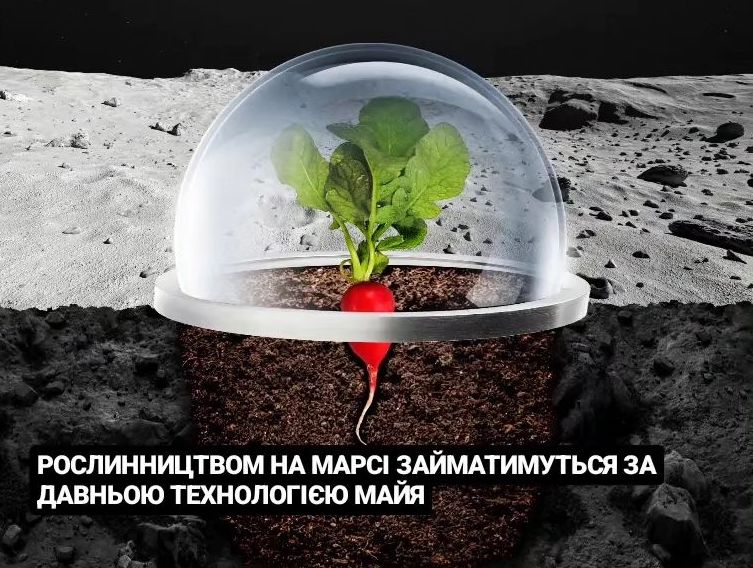
Scientists have already designed greenhouses for the Moon. Now they are working out how to grow vegetables on Mars.
They already know what Martian soil is like. It lacks the nutrients plants need, contains perchlorates (toxic chlorine salts) and is highly alkaline.
Researchers at Wageningen University in the Netherlands think future Mars settlers could use intercropping, a farming strategy where several types of crops grow side by side. The plants’ complementary traits help each other survive and grow. Maya farmers were among the first to farm this way, and the method still has followers today.
In an experimental greenhouse, the scientists recreated harsh Martian conditions by adjusting greenhouse gases, temperature and humidity. They chose cherry tomatoes, peas and carrots and grew them in three substrates: sand, potting soil and artificial Martian regolith, which matches real regolith in its physical and chemical properties. The “Martian” soil was enriched with beneficial microorganisms and nutrients.
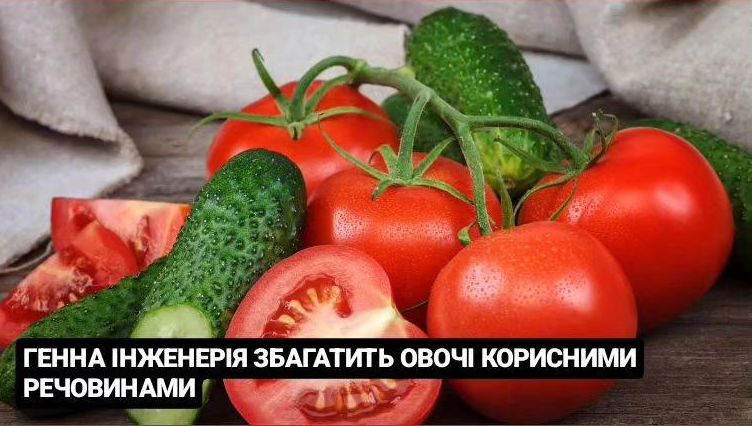
Tomatoes gained the most from the mix. Their yield doubled compared with growing them alone. The tomato plants flowered earlier, ripened faster, set more fruit and grew thicker stems. Peas and carrots, on the other hand, did poorly.
Astrobiologist Rebeca Gonçalves, the study’s lead author, says the team now has to keep adjusting the experimental conditions until it finds the best system. That could mean different species, more species, or different ratios between them.
The scientists believe that if the ancient farming strategy worked well for one crop, further experiments can lead to a reliable growing system for Mars settlers.