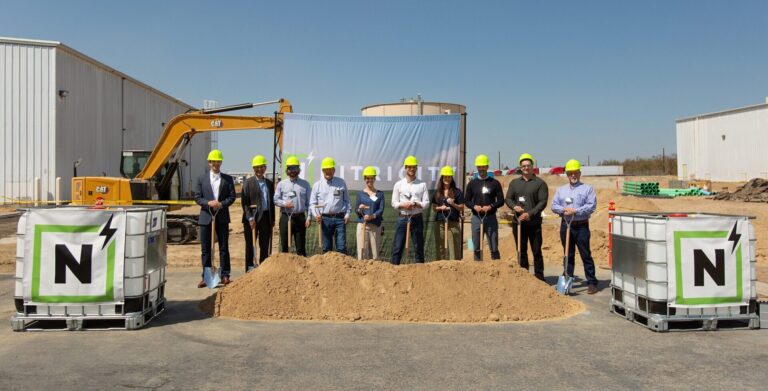


On March 17, 2026 — St. Patrick’s Day — Salad Days cut the ribbon on their new greenhouse in Flora, Mississippi. The symbolically timed event capped several years of work and a serious commercial decision: to transition from a niche producer to a scalable regional supplier.
What Was Built
The new 68,000-square-foot facility (approximately 6,300 m²) uses greenhouse systems from Prospiant — one of America’s leading CEA infrastructure manufacturers — and automated moving tables from FGM. Production capacity: up to 3 million lettuce heads per year.
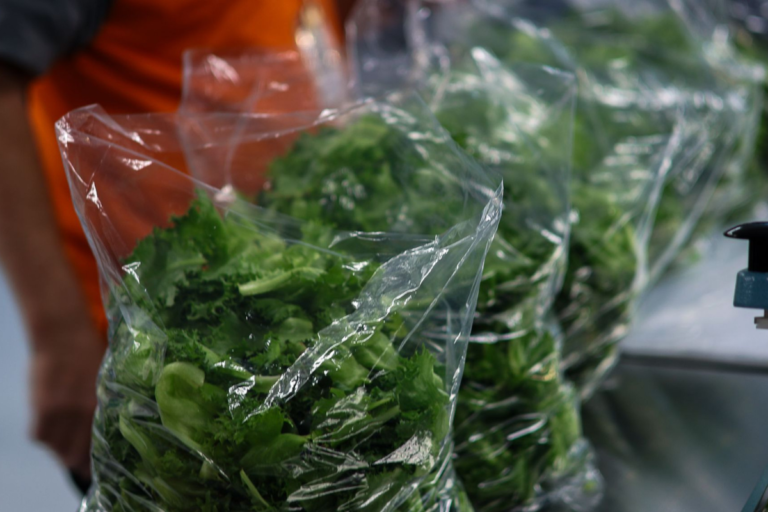
Product is already shipping daily to restaurants, foodservice distributors, and regional and national grocery chains in Mississippi, Louisiana, Arkansas, Tennessee, Alabama, and Florida.
Why Here and Why Now
“Demand from chefs and retailers in the region has outpaced our production capacity for years,” explains President Leigh Bailey. The project received support from municipal authorities, the county, the USDA, and state agencies — indicating serious government interest in developing local protected production.
Automated Moving Tables — What They Are and Why They Matter
The FGM Moving Table System is the key element of operational efficiency. Trays with plants automatically move through the greenhouse: to the lighting zone, the irrigation zone, the harvest zone. Workers don’t walk between rows — the plants come to them. This reduces labor costs and allows maximum use of production space.
Parallel for Ukraine
For Ukraine, where enclosed production of leafy crops is developing rapidly in the wake of full EU market access, Salad Days’ new facility is a useful case study. The “regional supplier for HoReCa and chains” model is realistic and scalable — especially given the shortage of fresh greens in winter.