
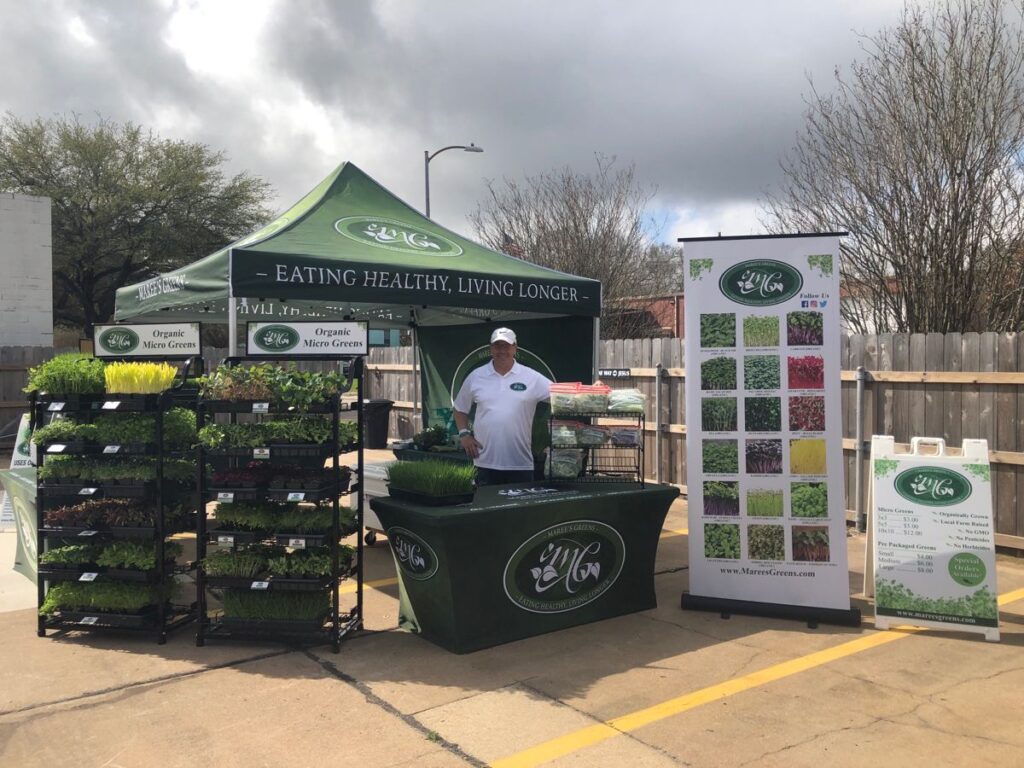
“If all we have left is rice and beans — what can we grow quickly that would actually be nutritious?” That is the question Patsy Rogers of Lakeland, Florida asked herself at the start of the 2020 pandemic. The answer — microgreens — turned her life around.
From a single tray to a real farm
It all started with a tray of sunflower seeds. Patsy, who describes herself as a “prepper” — someone who prepares for any unexpected event — decided to test whether she could grow something nutritious quickly and in a small space. Microgreens turned out to be the perfect answer: 7–14 days from seeding to plate, minimal space, maximum nutrition.
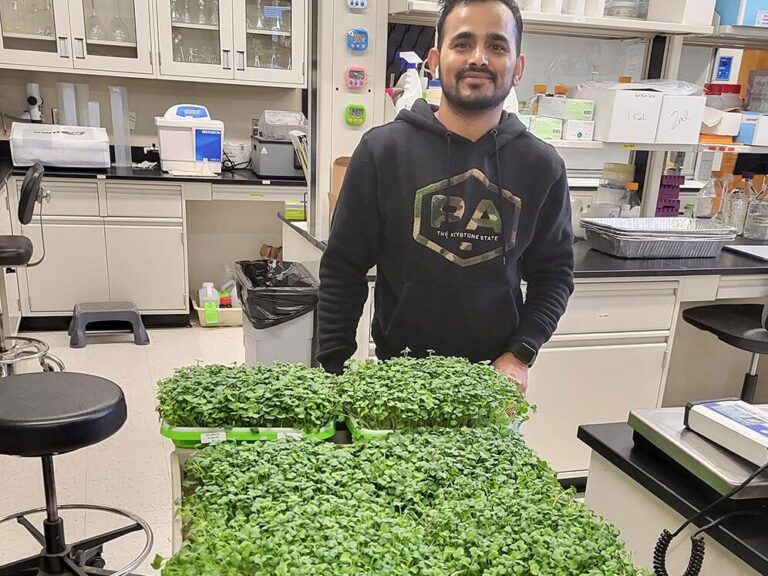
Gradually that single tray grew into a fully fledged indoor microfarm called My Tiny Greens. Small-scale production, a controlled environment, and zero pesticides.
Restaurants came looking for the greens themselves
Today My Tiny Greens supplies microgreens to local restaurants and health food stores — clients include Hakucho, The Terrace Grille, and several other venues in the region. And here is the interesting part: demand for fresh local produce in Polk County is only growing, because traditional large farms are gradually disappearing as land gets developed.
Small specialist producers like Patsy are filling that niche — and doing it very successfully.
What this means for Ukrainian farmers
This story is not about the United States. It is about the fact that a micro-business built on microgreens can start with literally one tray and the right question asked of yourself. In Ukraine, restaurants, health cafés, and food delivery services are actively looking for local suppliers of fresh greens. The niche exists — and it is not yet crowded.
Advice from Patsy (and from us)
Start small. One or two varieties of microgreens, two or three regular clients — then scale up with demand. Not the other way around.