
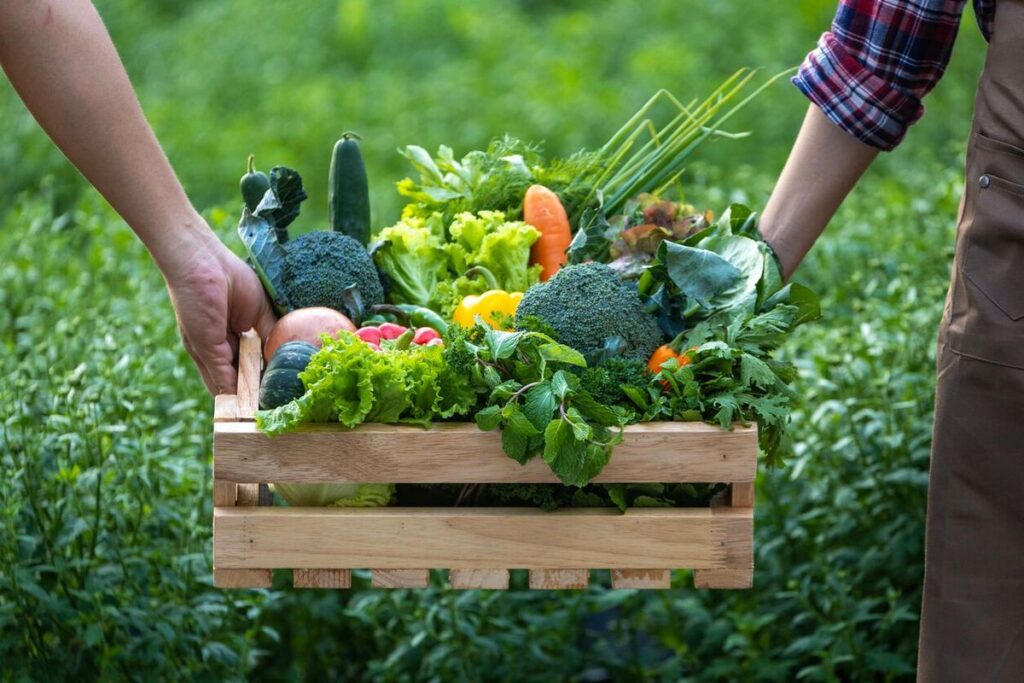
The European Commission has set an ambitious target: by 2030, 25% of EU agricultural land must be under organic production. It sounds inspiring. But what is actually happening in the market is the opposite — there are fewer organic producers, not more.
Why farmers are leaving organic
Pascual Blanco, commercial director of Spanish company Hortamira, explains it plainly: organic production costs significantly more — higher crop protection expenses, greater labour input, stricter controls. To make any profit at all, organic produce needs to sell for at least 35% more than conventional.
But supermarkets and retail chains squeeze prices — and that premium simply does not hold. As a result, farmers who spent three years transitioning to organic (bearing higher costs the entire time) bank on a premium price — and receive a standard one.
Another problem: certification as a business
Blanco also criticises the certification system. Standards such as IFS, Global GAP, and BRC have long since turned into businesses in their own right — and are drifting ever further from actual product quality. The farmer pays for paperwork, not for results.
What this means for Ukraine
Ukraine is actively entering the EU organic market — and this context matters greatly. If EU producers themselves are reducing their organic acreage because it is unprofitable, then the window for Ukrainian organic exports opens wider. But the demands on quality and pricing are also stricter than they appear at first glance.
Before going into organics for the sake of a “European price” — study the sales market in detail first.