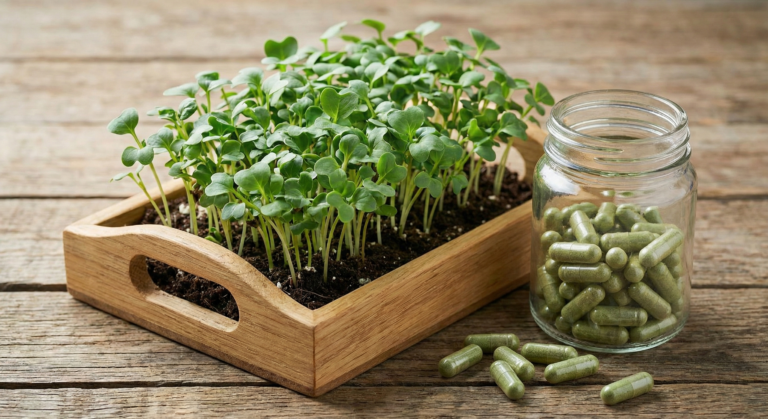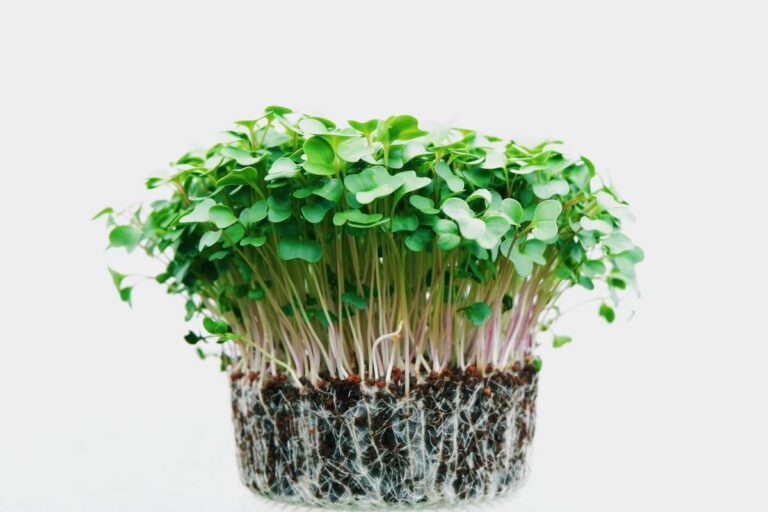

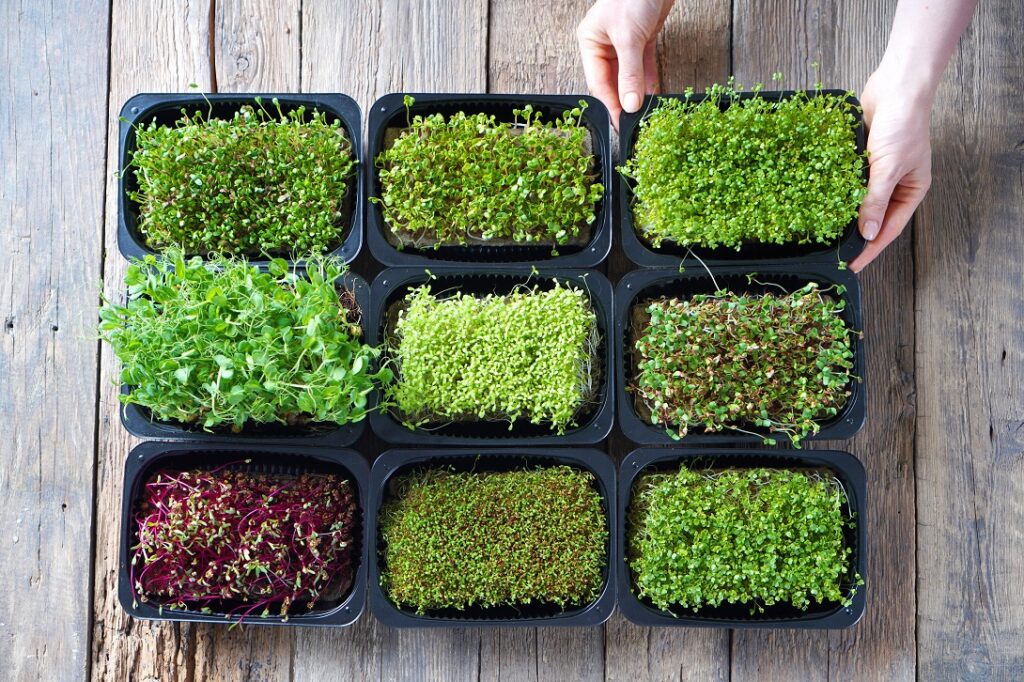
Microgreens are young sprouts of vegetables, herbs, and other edible plants harvested at the cotyledon (first leaf) stage. This type of green has become an indispensable part of modern cooking, thanks to its rich flavour, high concentration of nutrients, and decorative appearance. The popularity of microgreens is growing rapidly — they can be found in restaurants, cafés, and many home kitchens.
Microgreens trace their history back to the 1980s, when chefs began experimenting with rocket, basil, beetroot, cabbage, and coriander sprouts. Since then the range has expanded considerably — today there are more than 25 varieties of microgreens, each with its own unique flavour, aroma, and texture.
What Varieties of Microgreens Are There?
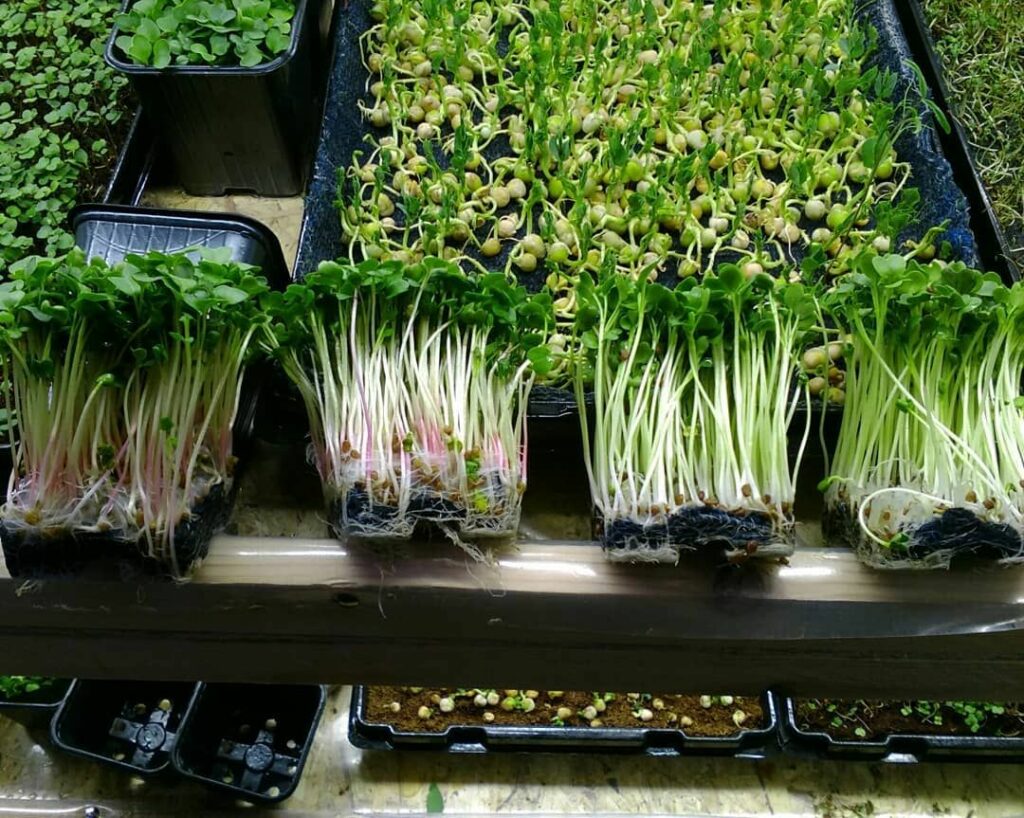
Microgreens are grown from the same seeds as mature vegetables, herbs, and greens. The most popular include:
- Amaranth — bright pink sprouts with a delicate, slightly nutty flavour.
- Beetroot — juicy stems with a light sweetness.
- Basil — a classic with an aroma that lends a Mediterranean character.
- Celery — refreshing, slightly spicy sprouts.
- Mustard — pungent microgreens with a mild heat.
- Cress — spicy notes reminiscent of radish.
- Radish — sharp, crunchy sprouts with an intense flavour.
- Pea — juicy shoots with a delicate sweetness.
Beyond these varieties, you can experiment by mixing different types. This opens up new flavour combinations and adds vivid colour and variety to your dishes.
Nutritional Value
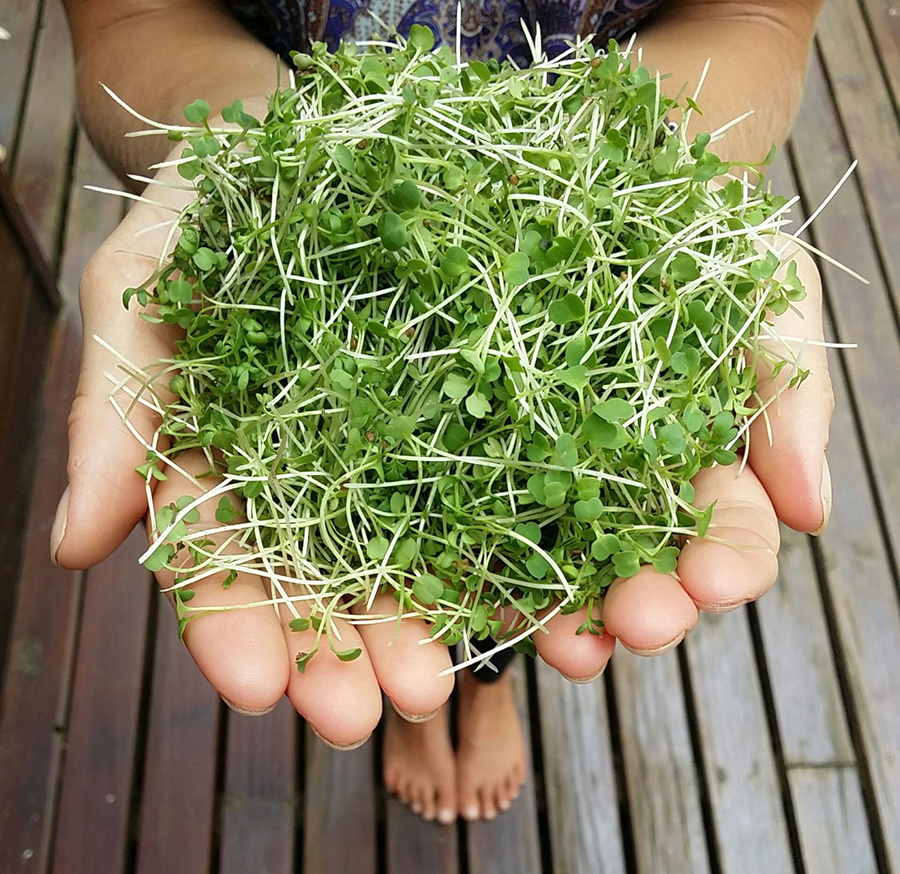
Microgreens are a genuine miniature superfood. Their composition can contain 20–40 times more nutrients than mature plants. Concentrated within them are:
- Vitamins C, E, K — support immunity, promote cell regeneration, and improve circulation.
- Lutein — beneficial for vision.
- Beta-carotene — a powerful antioxidant that protects cells from ageing.
- Minerals — calcium, magnesium, zinc, iron, and others.
- Protein — essential for energy and cell building.
Sprouts are easily digested, so their nutritional properties take effect almost immediately. Thanks to a high concentration of RNA and DNA — found only in living cells — microgreens promote tissue regeneration and support health at the cellular level.
Why Add Microgreens to Your Diet?

Taste and aroma. Sprouts have a more intense flavour and aroma than mature plants, letting you create culinary masterpieces from everyday ingredients. Versatility. They can be used in salads, sandwiches, smoothies, soups, or as a garnish for dishes. Aesthetics. Microgreens add not only flavour but also an elegant look to any plate. Health benefits. These tiny plants boost energy, improve digestion, and strengthen immunity.
How to Grow Microgreens at Home
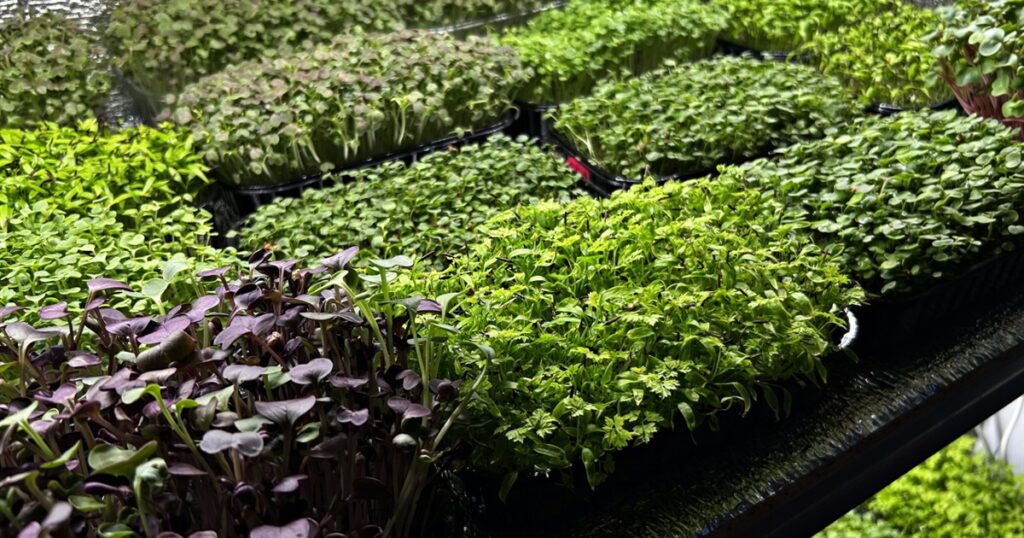
Growing microgreens is straightforward:
- Choose quality seeds. Make sure they have not been treated with chemicals.
- Prepare the soil or substrate. Coconut coir, agro-fleece, or even cotton wool can be used.
- Water carefully. Keep the substrate moist regularly, but avoid waterlogging.
- Provide light. Sprouts need plenty of light, but direct sunlight can damage them.
Within 7–10 days you will be able to harvest and enjoy fresh, nutritious greens.
Microgreens are not just a trendy fad — they are a genuine elixir of health and beauty, available to everyone. Add them to your diet and feel the difference for yourself.