
Microgreens — also known as microgreens — are young plant sprouts that have just put out their first true leaves. They have become an indispensable part of modern cooking and healthy eating, and have earned the status of a superfood. But is all the excitement justified? Let us find out.
Microgreens and Sprouts: What Is the Difference?
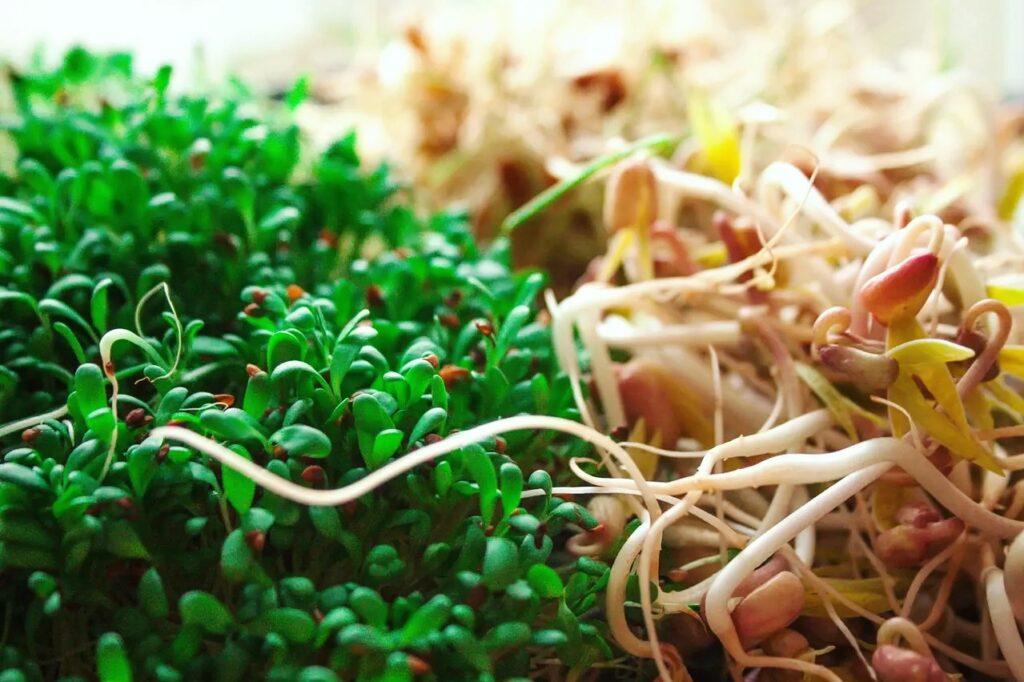
Microgreens are often confused with sprouts, since both are plants at early stages of growth. There are, however, significant differences:
- Sprouts are seeds that have just germinated and have tiny rootlets; they are usually eaten together with the seed coat.
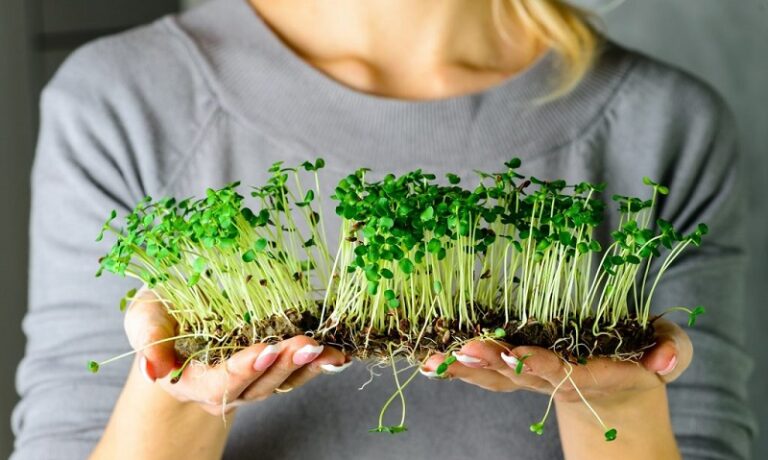
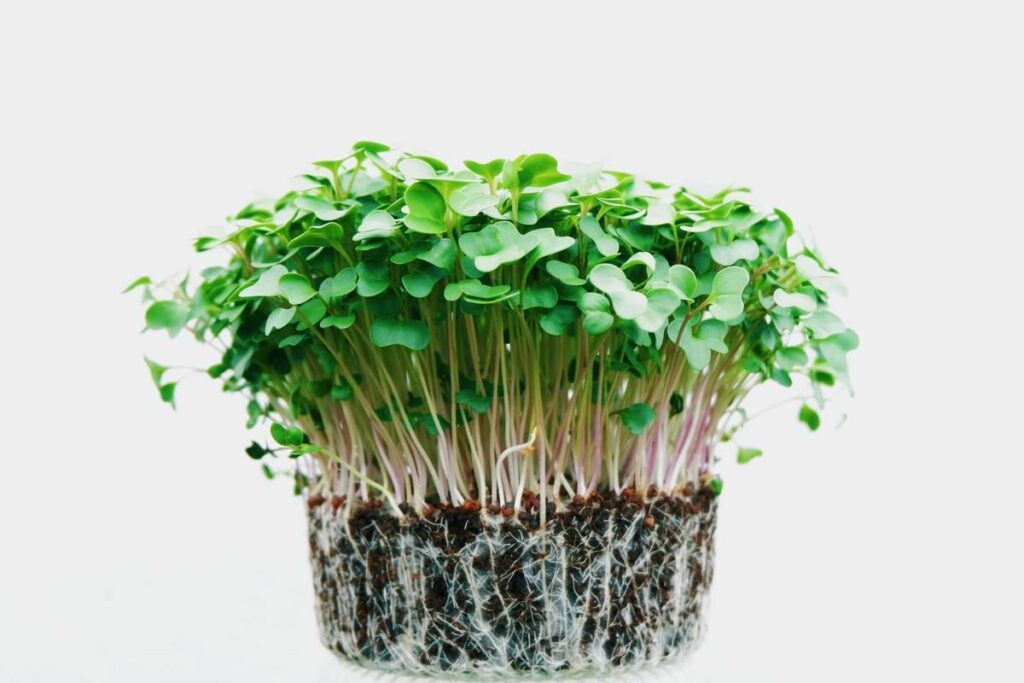
- Microgreens are the same plants at a slightly later stage: 7–14 days after germination they have a stem and a pair of first leaves. They are cut off, leaving the roots in the soil or substrate.
Both sprouts and microgreens are rich in nutrients, but microgreens often contain a higher concentration of vitamins, minerals, and antioxidants due to their active growth phase.
Varieties of Microgreens
Today microgreens are far more than young parsley, dill, or rocket sprouts. The range includes dozens of plant species:
- Vegetables: radish, beetroot, broccoli, red cabbage (the leader in vitamin C content).
- Grains: wheat, oat, sunflower, buckwheat — not only delicious but extraordinarily nutritious at early growth stages.
- Legumes: pea, lentil, chickpea.
Important: seeds from the nightshade family (tomatoes, potatoes, aubergines) are not suitable for microgreens, as they contain toxic alkaloids.
What Makes Microgreens Beneficial?
Microgreens are a genuine concentrate of beneficial compounds. Young sprouts contain:
- Vitamins: C, E, K, B group.
- Minerals: potassium, calcium, magnesium, phosphorus, iron, zinc.
- Antioxidants: help strengthen immunity and protect cells from ageing.
- Chlorophyll: improves oxygen transport to tissues and cleanses the body of toxins.
Regular consumption of microgreens improves digestion, supports the cardiovascular system, normalises blood sugar levels, and helps the body cope with stress.
How and With What to Eat Microgreens
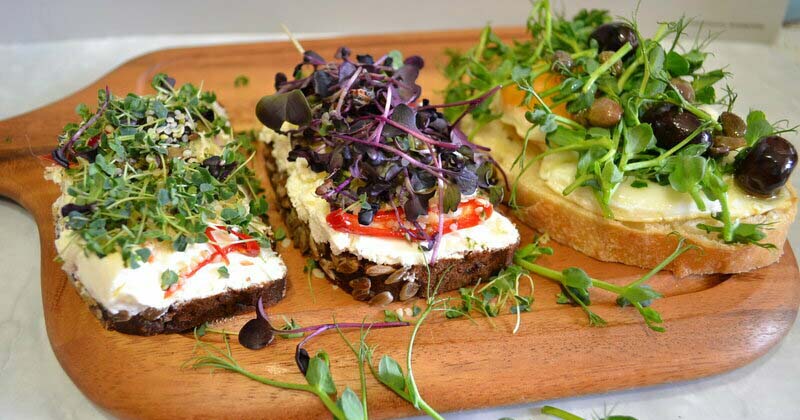
Microgreens are best eaten freshly cut — this ensures maximum benefit and richest flavour. Heat treatment is not recommended, as high temperatures destroy vitamins and antioxidants.
Ideas for using microgreens:
- Salads: add microgreens to vegetables, fruit, or legumes.
- Sandwiches and bruschetta: use as a filling or garnish.
- Smoothies: microgreens pair beautifully with vegetables, fruit, and berries.
- Soups and porridges: stir in just before serving to enrich the dish with fresh flavour.
- Side dishes: use as a light topping over a main course.
Is It Just a Trendy Fad?
The popularity of microgreens is genuinely backed by more than fashion. It is an accessible, easy-to-grow product that delivers a full spectrum of beneficial compounds. Microgreens are not merely a decorative garnish — they are an important component of a healthy diet.
Try growing microgreens at home and discover their benefits and rich, varied flavours for yourself.