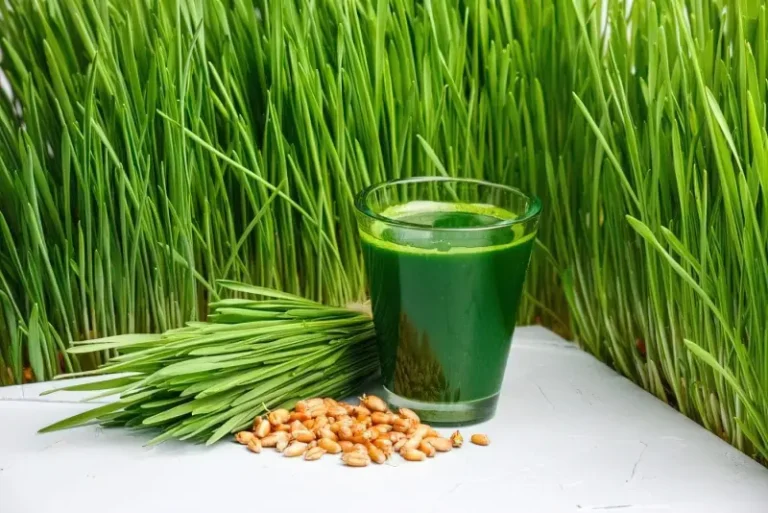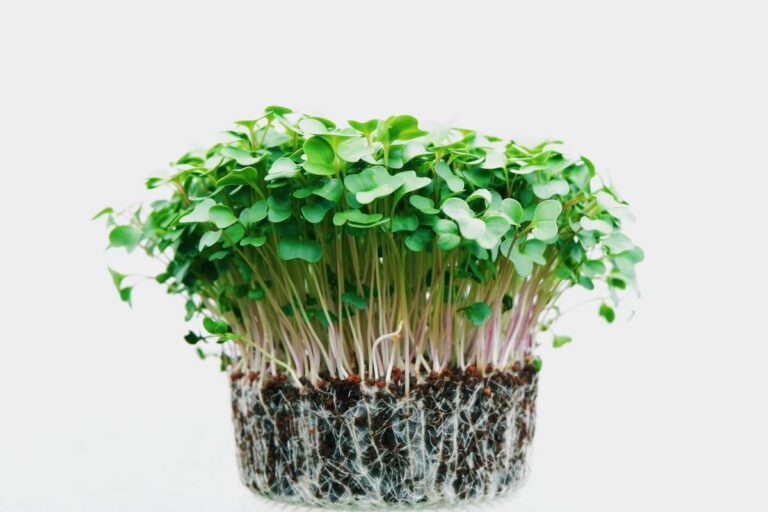

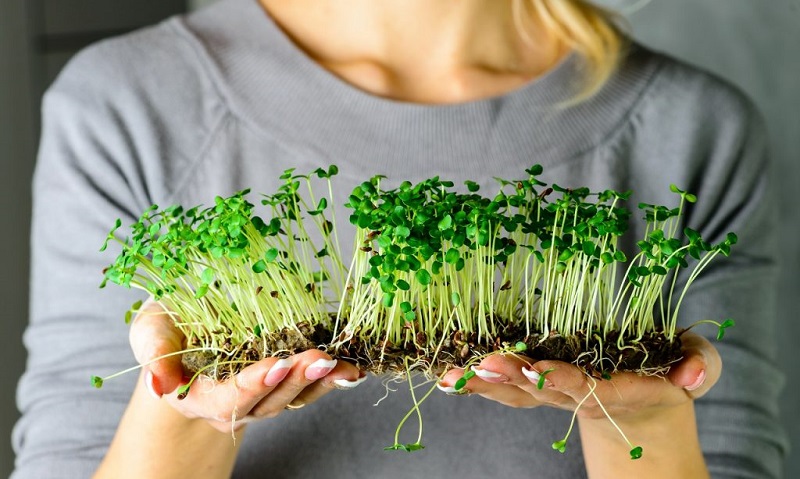
Microgreens are a genuine concentrate of beneficial compounds — the nutrients nature stores in a seed for its future development. In the early stages of growth, plants pack the maximum amount of nutrition into themselves; in mature plants these same nutrients are distributed across all parts: roots, stems, leaves, and fruit. This is why young sprouts surpass mature plants in vitamin, mineral, and micronutrient content by several times.
What Do Microgreens Contain?
Microgreens are rich in vitamins (C, B, K, E), minerals (potassium, calcium, phosphorus, magnesium, iron, iodine, sulphur), chlorophyll, antioxidants, fibre, essential oils, and amino acids. Among the unique compounds that make them especially valuable for the body:
- Folic acid: essential for blood formation, particularly important for women of reproductive age.
- Tocopherol and vitamin C: powerful antioxidants that fight cell ageing and boost immunity.
- Carotenoids: slow uncontrolled cell division and strengthen immunity.
- Rutin: supports vascular health, reduces the risk of thrombosis, and has anti-inflammatory effects.
- Sulforaphane: known for its anti-cancer properties and ability to destroy harmful bacteria.
- Chlorophyll: the “green blood” of plants, which improves oxygen supply to tissues, removes toxins, stimulates immunity, and even counteracts tumour formation.
How Do Microgreens Affect the Body?
Thanks to their rich composition, microgreens have a positive effect on all body systems:
Skin, hair, and nails: ensure beauty and a healthy appearance through zinc, sulphur, and biotin.
Digestive system: promotes cleansing from waste products and normalises gut function.
Cardiovascular system: supports heart and vascular health, reduces the risk of atherosclerosis.
Blood: helps normalise haemoglobin levels thanks to high iron content.
Immunity: increases resistance to infections through antioxidants and chlorophyll.
Endocrine system: supports hormonal balance, partly through B vitamins.
Which Microgreens Are Most Beneficial?
Each type of microgreen has its own unique composition and properties:
- Cress: rich in lutein and vitamin A, beneficial for vision.
- Basil: improves digestion and helps relieve spasms and inflammation.
- Broccoli: a source of sulforaphane, helps remove toxins and has an anti-tumour effect.
- Buckwheat sprouts: strengthen vessel walls and support blood formation.
- Oat: stimulates immunity and improves the condition of the nervous system.
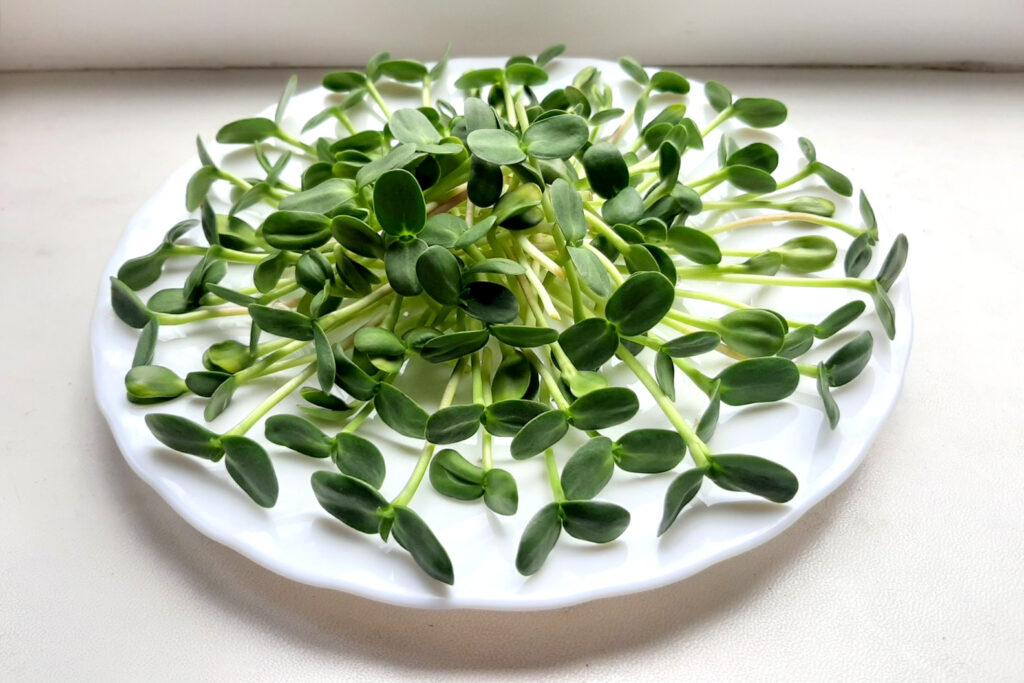
- Alfalfa and sunflower: record holders in plant protein content, ideal for athletes and vegetarians.
- Radish: rich in mustard oils that stimulate metabolism and improve the condition of skin and hair.
How to Get the Most Benefit
- Freshness above all. Microgreens are most beneficial raw, so add them to salads, side dishes, or smoothies without cooking.
- Combine varieties. Mix different types of microgreens to vary your diet and obtain a wider range of nutrients.
- Be consistent. Eat microgreens every day — even a small portion will make your diet significantly healthier.
Summary
Microgreens are a genuine superfood that everyone should include in their diet. They not only supply the body with vitamins and minerals but also have therapeutic properties: they strengthen immunity, improve digestion, support heart and vascular health, and help the body eliminate toxins. Grow microgreens at home and enjoy their freshness all year round.