
Microgreens are not just a culinary trend — they are a genuine health treasure. These tiny, crunchy, colourful sprouts bring freshness, vibrancy, and incredible flavour to dishes. Until recently they were used mainly in fine dining to create harmonious combinations of appearance, taste, and aroma. Today microgreens are making their way into home kitchens as an accessible superfood.
What Are Microgreens?
Microgreens are young sprouts of vegetables, herbs, or grains, harvested at the stage of the first true leaves. They stand out for their high concentration of vitamins, micronutrients, and antioxidants. These plants contain:
- Copper — strengthens immunity.
- Magnesium — supports a healthy nervous system.
- Potassium — promotes heart health.
- Iron — helps prevent anaemia.
- Zinc — improves the condition of skin, hair, and nails.
- Ascorbic acid — a powerful antioxidant.
- Polyphenols — protect cells from ageing.
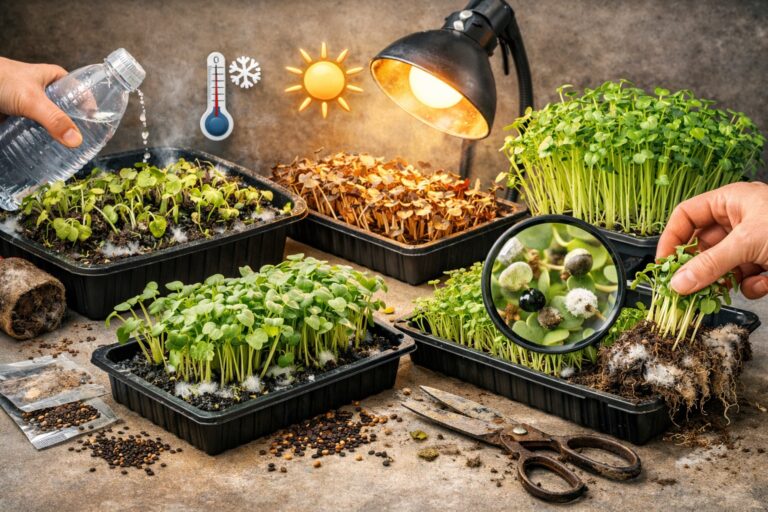
These tiny sprouts grow quickly: in just 7–14 days you have a fresh harvest. Because they are so easy to grow, microgreens can be available at home all year round. All you need is a spot with access to light and quality seeds.
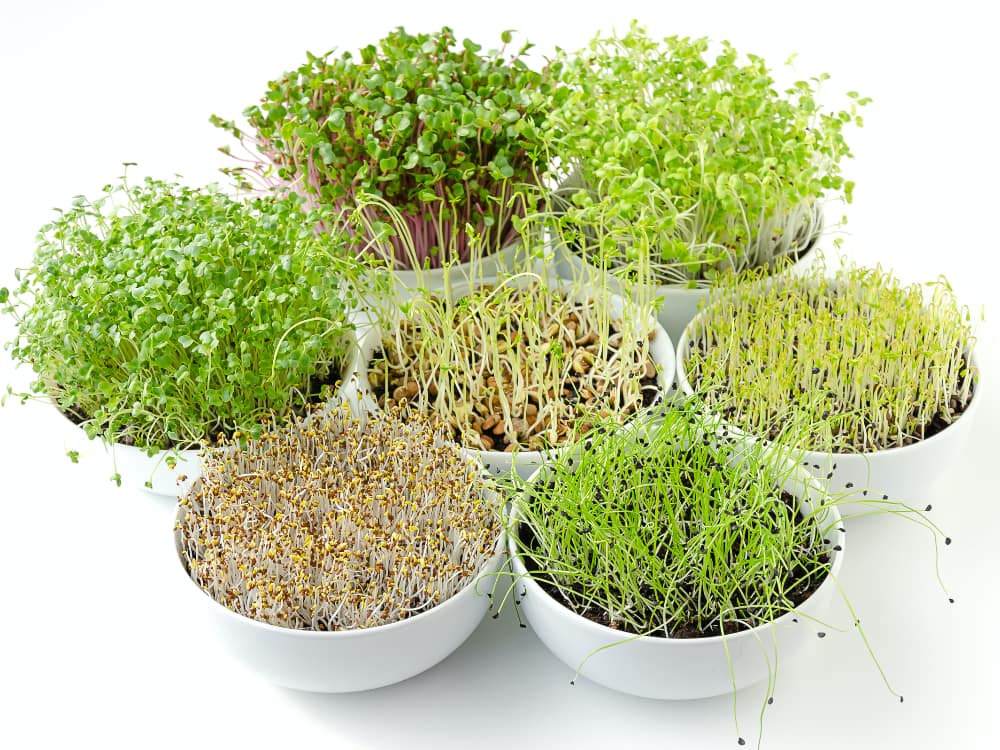
The most popular microgreen varieties to grow:
- rocket,
- cress,
- pea,
- broccoli,
- alfalfa,
- basil,
- onion,
- mustard,
- radish,
- sunflower.
Why Are Microgreens Beneficial?
Beyond their impressive nutrient content, microgreens are easily digested, making them an ideal addition to a healthy diet. They support:
- Immunity. High vitamin content helps the body fight colds and cope with stress.
- Energy balance. Microgreens provide an energy boost thanks to their high protein and micronutrient content.
- Heart and vascular health. Potassium and magnesium help stabilise blood pressure.
- Cell regeneration. Antioxidants and polyphenols protect cells from damage.
How to Eat Microgreens
Microgreens are a versatile ingredient that can be added to any dish. They are best eaten raw to preserve all their beneficial compounds. Here are some ideas for including them in your diet:
- Juices and smoothies. Add microgreens to your morning drink for an energy boost.
- Salads. Mix different varieties of microgreens to create a salad rich in flavour and colour.
- Hot dishes. Use microgreens as a garnish for omelettes, soups, pizza, or pasta.
- Sandwiches and bruschetta. Replace the traditional lettuce leaf with fresh sprouts for extra vibrancy and flavour.
- Meat and fish. Use microgreens as a side to create an interesting flavour contrast.
The Taste of Microgreens
Each type of microgreen has its own unique flavour:
- Rocket — slightly bitter, with nutty notes.
- Mustard — spicy and pungent.
- Broccoli — delicate, with a light sweetness.
- Radish — sharp, with a bright aroma.
- Pea — sweet and juicy.
Choose the varieties that suit your taste, or experiment with different combinations.
How to Store Microgreens
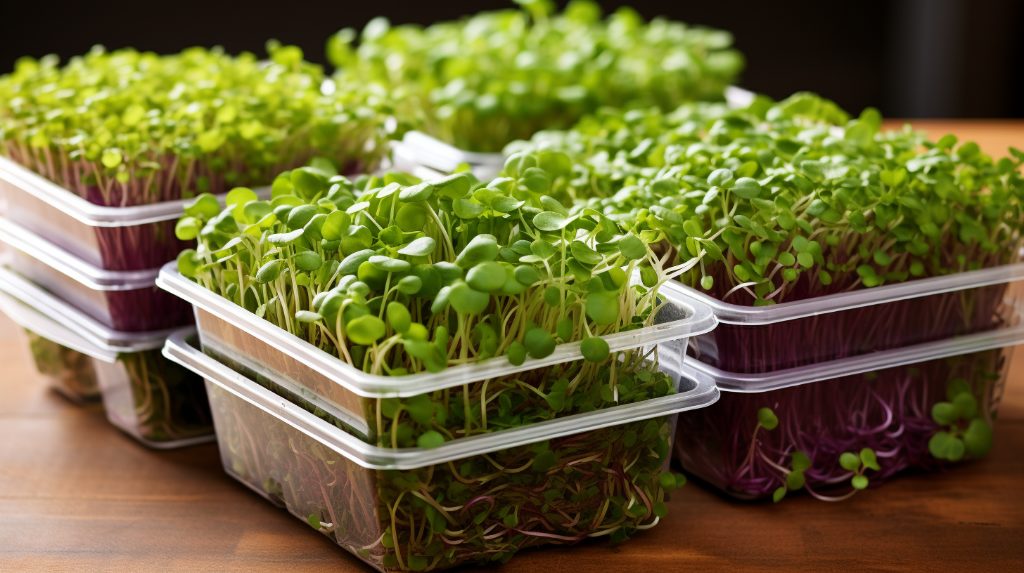
Microgreens lose freshness quickly, so proper storage matters:
- In the refrigerator. Pack the sprouts in an airtight container or wrap them in cling film.
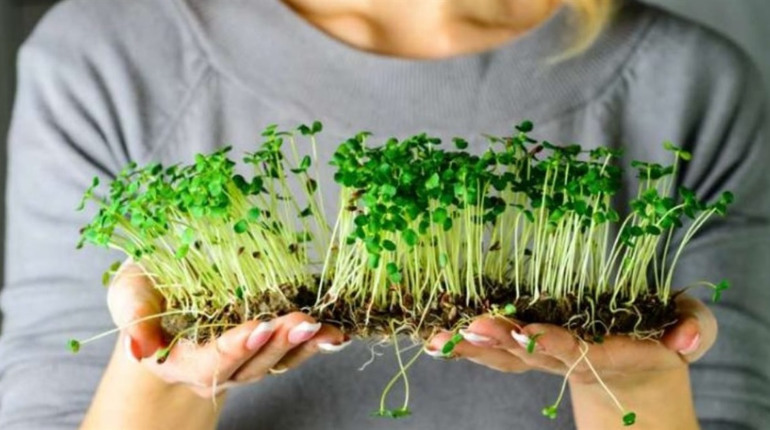
- On the mat. If the greens have not been cut, leave them on the substrate. They will stay fresh for up to 10 days this way.
Microgreens are a simple and accessible way to make your diet healthier and more delicious. They are easy to grow at home, can be added to any dish, and let you enjoy vibrant flavour and freshness all year round.