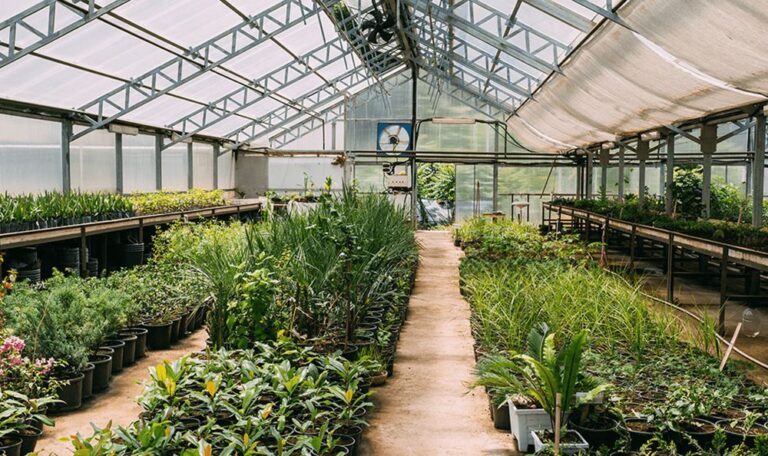

While most European greenhouse operations struggle with gas bills, Romanian company Green Tech International has taken a fundamentally different path. In October 2025 it broke ground on the country’s largest hydroponic greenhouse complex — and it will be powered not by gas, but by the earth itself.
What is being built and why
Green Tech International is first and foremost a geothermal energy company. But its management spotted an obvious synergy: if you already have cheap heat from underground, why not use it to heat greenhouses?
Phase one covers 10 hectares in western Romania. The five-year plan is 50 hectares of hydroponic greenhouses heated by geothermal water. Construction is being carried out through subsidiary Horti Green Invest.
Why geothermal heat is a serious competitive advantage
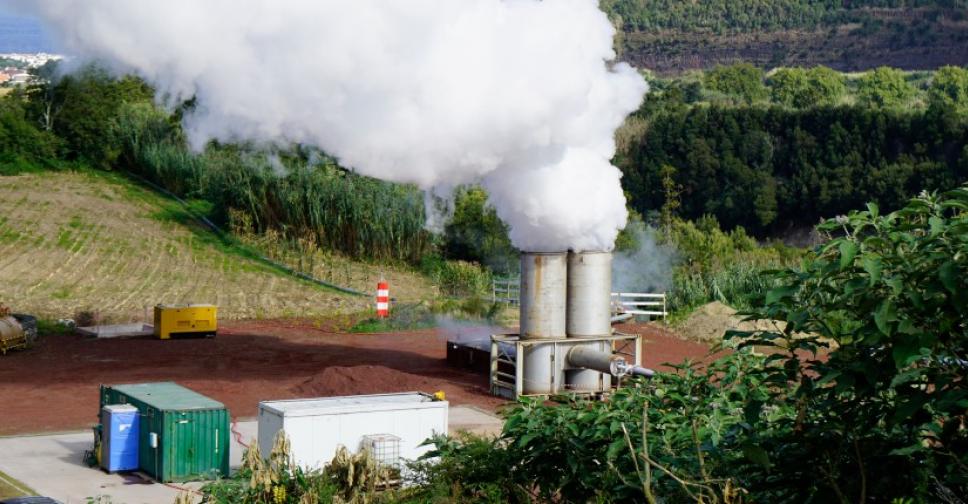
Geothermal water emerging from the ground at 60–90°C is ideal for greenhouse heating. Unlike gas, its price is independent of geopolitics or commodity market fluctuations. Costs are stable, predictable — and significantly lower than those of competitors running on conventional fuel.
This is exactly the advantage Green Tech calls its trump card: lower operating costs allow it to offer competitive product prices without sacrificing margin.
What this means for Ukraine
Ukraine has significant geothermal potential — particularly in the Zakarpattia and Chernivtsi regions. Using geothermal heat for greenhouses remains an undeveloped niche, but the Romanian example is a concrete business case right across the border.
For anyone building a greenhouse in a region with geothermal resources, this model is worth considering as a long-term alternative to gas heating.