
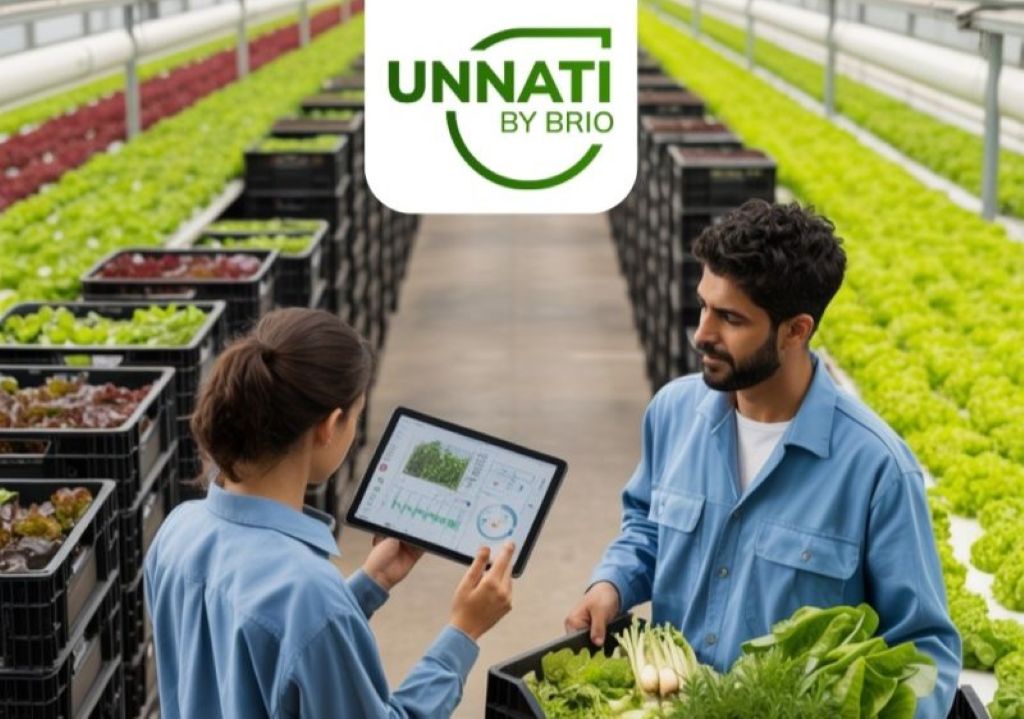
“Hydroponics today is more of an infrastructure development than conventional farming” — that is how Jay Kumar Bhatt, CEO of Brio Hydroponics, describes his business. Looking at the scale of the Unnati project in Gujarat, it is hard to disagree.
What is being built and how it works
Unnati Hi-Tech Hydroponics Park in Talod, Gujarat is India’s largest investment-driven hydroponics project. The first phase of 19 acres has already been sold out to investors. The second phase — a further 81 acres — is actively attracting corporate capital, venture funds, and foreign direct investment.
The format is unusual: blocks from 5 acres are sold to corporations and private investors. Brio provides the technology, management, and sales channels. The investor receives a ready-made farm with guaranteed operational management.
What they grow and who buys it
It is no longer just leafy lettuce. Crops include English cucumbers, bell peppers, strawberries, cherry tomatoes, and even medicinal plants. Key buyers are hotels, restaurants, corporate canteens, premium supermarkets, and hospitals.
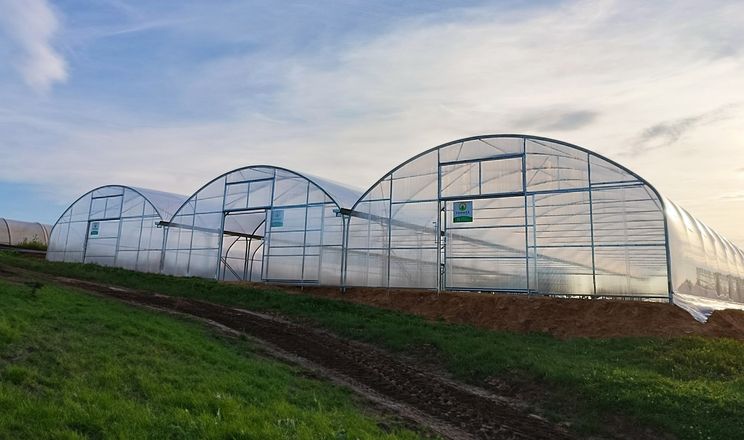
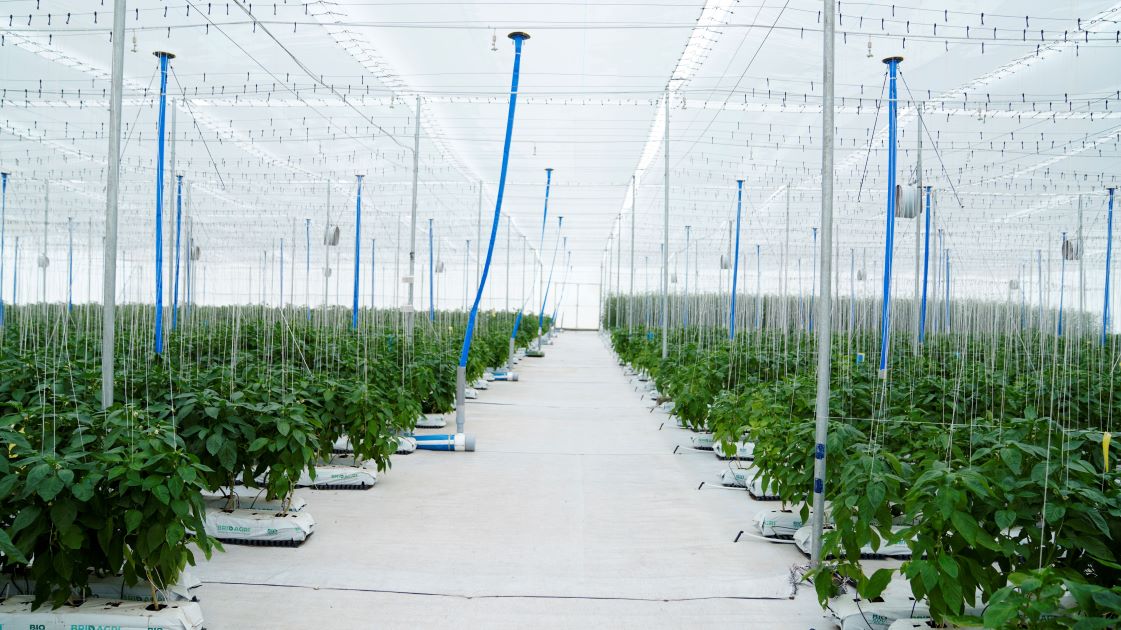
A standout technology: a triple layer of polyhouses with a patented Israeli rain-protection system, a UV filter, and insect netting. The system withstands +45 °C in Gujarat and Rajasthan — conditions where no conventional greenhouse can cope.
A parallel for Ukraine
Brio has essentially invented a “hydroponics as franchise” model: an investor buys a plot and receives technology and management as a package. For Ukraine — where there is a need to restore agricultural production and attract investment — this model could be highly relevant. Cooperative hydroponic parks with centralised sales and shared equipment remain an untapped niche.