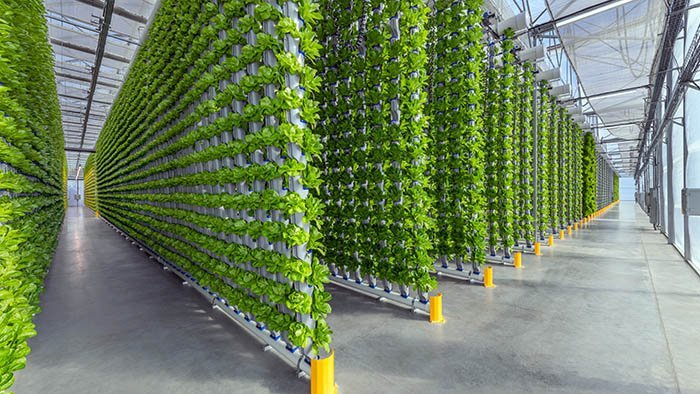

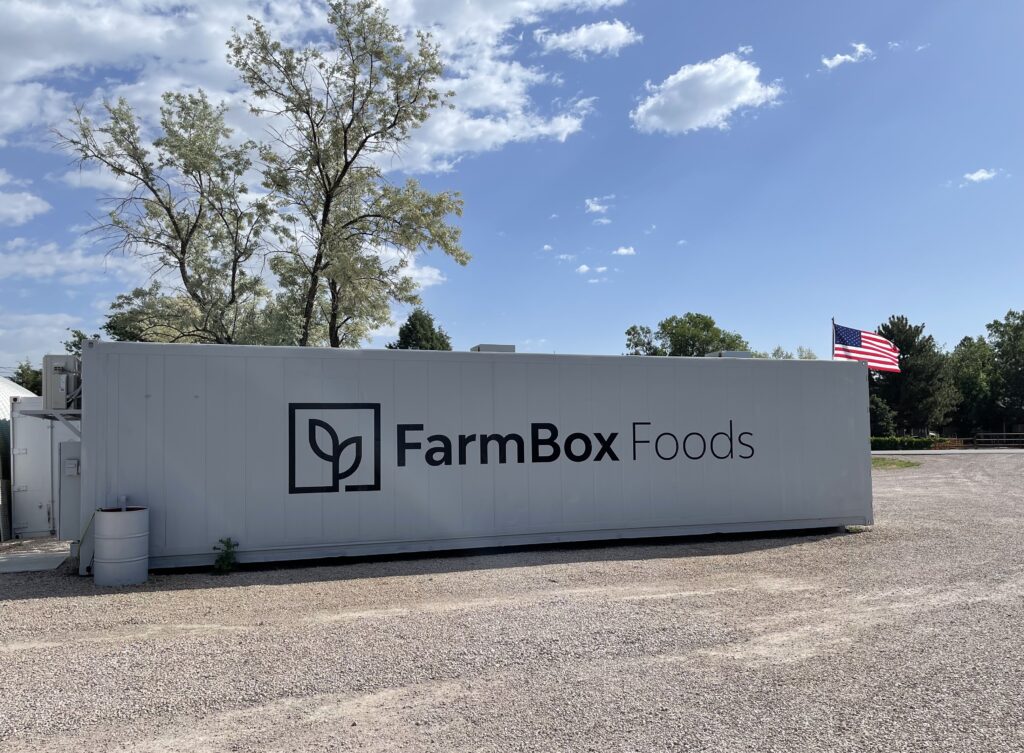
4 October 2025, Aurora, Colorado, USA — Startup FarmBox Foods received the prestigious “Coolest Thing Made in Colorado 2025” award for its product: a vertical hydroponic farm built inside a repurposed freight container.
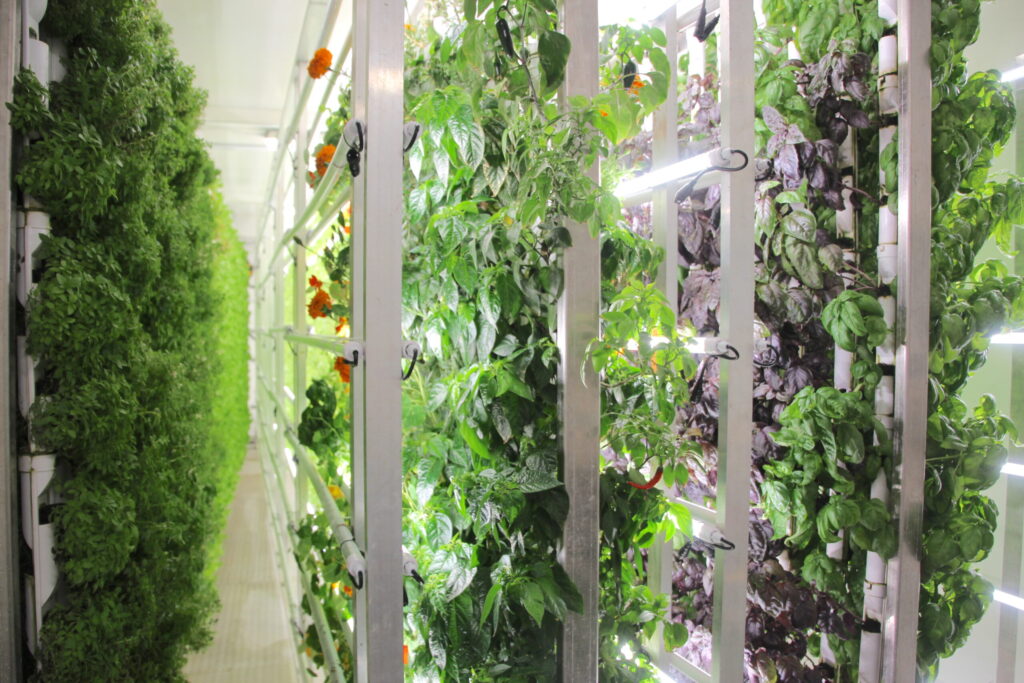
A single 40-foot container — equipped with climate control, LED lighting, an automated nutrient delivery system, and water recirculation — can grow lettuce, greens, herbs, or mushrooms year-round, independent of outdoor conditions. According to CEO Rusty Walker, the system is equivalent to roughly 2.5 acres of conventional farmland, yet fits on a truck chassis.
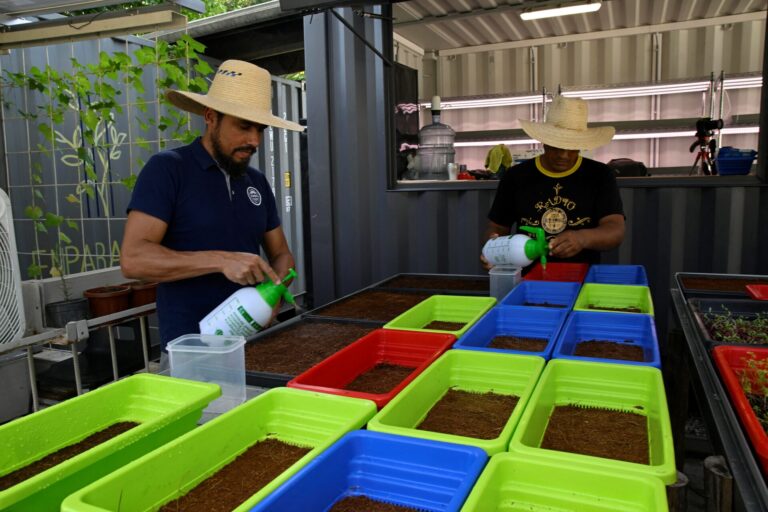
Urban farming and production in land-scarce areas have been a growing trend for several years. Modular “farm-in-a-container” systems make it possible to move production into cities, onto rooftops, into warehouses, or even into Arctic regions.
Why this matters to a wider audience
- Fresh food nearby. The shorter the journey from farm to plate, the fresher — and potentially cheaper and more sustainable — the food.
- New businesses and jobs. The system can be deployed in schools, hospitals, and residential complexes — creating local production and new occupations.
- Environmental responsibility. Less transport, less waste, less water: the system uses up to 95% less water than a conventional field.
How it works
- The container is fitted with vertical racking, hydroponic trays, nutrient solution, and LED lighting with adjustable spectrum and intensity.
- A climate system controls temperature and humidity; nutrient solution is returned in a closed loop; individual modules can be stacked.
- Monitoring and automation allow crop quality, production schedules, and energy consumption to be tracked — making the system suitable for scaling.
Even if a container like this does not appear in every neighbourhood tomorrow, this example is important. It shows that:
- Urban farms are a real alternative — especially where land is scarce or logistics are complex. For city farmers and urban agri-projects, modularity, controlled environments, and short crop cycles are what matter. A small footprint plus technology equals a meaningful harvest.
- For a broader audience: it is worth thinking about growing at least some of your own greens or herbs at home or nearby — even a small rooftop or garage module can make a difference.
- Upfront costs: a container farm is not a cheap project — electricity, automation, and staff training all need to be factored in.
- Energy consumption: the system is efficient, but energy costs require active management.
- Business model: you need a sales channel for the greens — cafés, residents, shops — for the system to pay for itself.
What’s next
FarmBox Foods has already deployed more than 80 containers worldwide and projects sales of $8–10 million by the end of 2025. In the years ahead, “farm-in-a-container” technology is expected to become more accessible and widespread. For Ukraine, this is an opportunity: to adapt modular solutions for schools, residential associations, and cities where land is expensive or simply unavailable.