
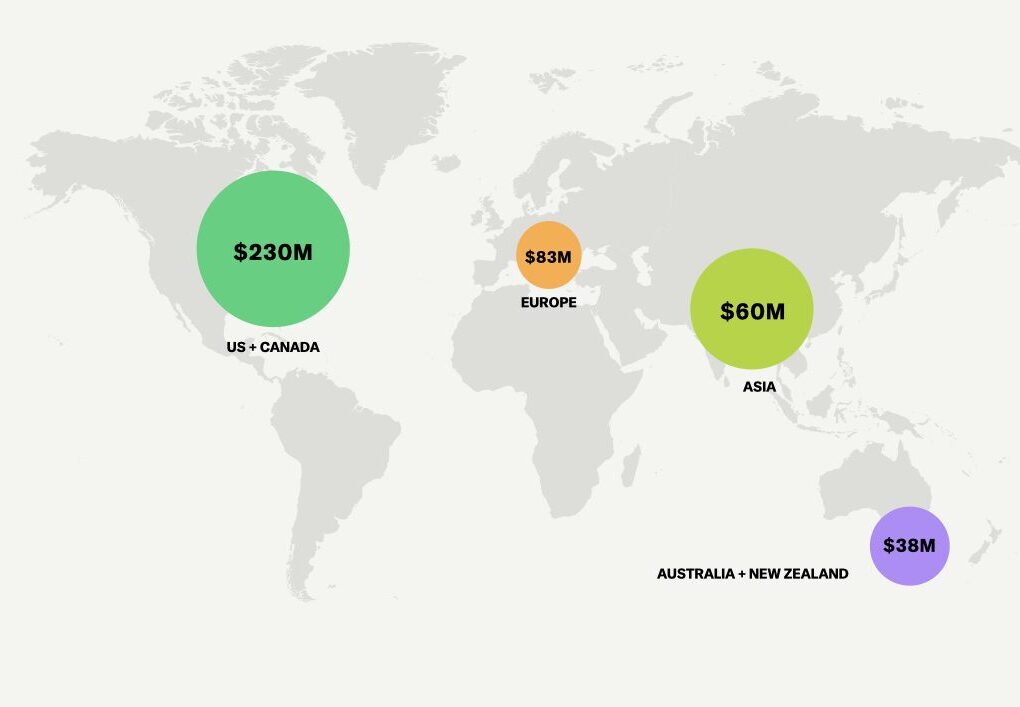
According to AgFunderNews, investment in agricultural robotics startups fell 36% in Q3 2025 compared to the previous quarter. The market has grown more selective: funding is going to solutions with a clear return on investment and proven unit economics for producers.
For greenhouse horticulture this is a dual signal: on one hand, raising capital has become harder; on the other, projects without real-world efficiency are losing out. Robots that reduce labour, energy, and waste costs — and integrate easily into existing workflows — are moving to the front of the queue.
Analysts note a demand shift towards computer vision, harvesting manipulators, and autonomous platforms. Investors now expect pilots with measurable time and cost savings, not just technical demonstrations.
This will reshape the indoor farming market: companies focused on automating critical operations — seeding, transplanting, harvesting, sorting — will hold a competitive edge even through cooler investment cycles.