
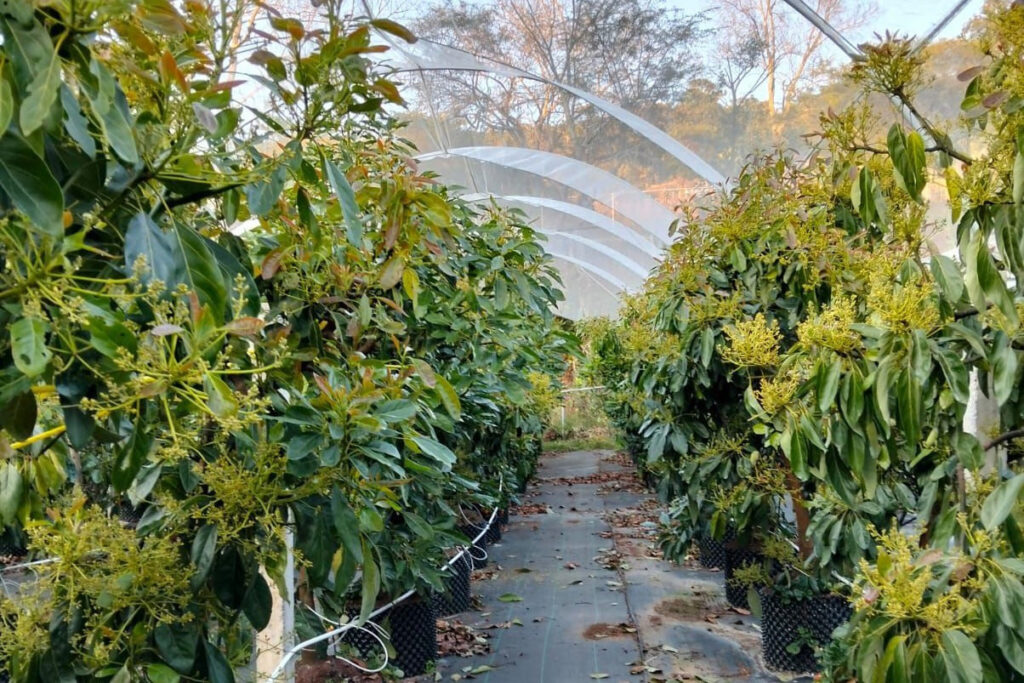
A few years ago the very idea of growing avocados in a soilless pot would have drawn laughter from experienced agronomists. But in Mexico, where the Ortiz family has been growing avocados for three generations, that “joke” has turned into a serious commercial experiment with genuinely encouraging results.
How it works
Luis Enrique Ortiz is an agronomist who decided to bring precision farming to a crop traditionally considered “soil-dependent.” The key to success is the right substrate. His team uses tezontle — volcanic gravel that is highly stable and abundant in Mexico. It retains moisture well, allows air to reach the roots, and does not compact over years of use.
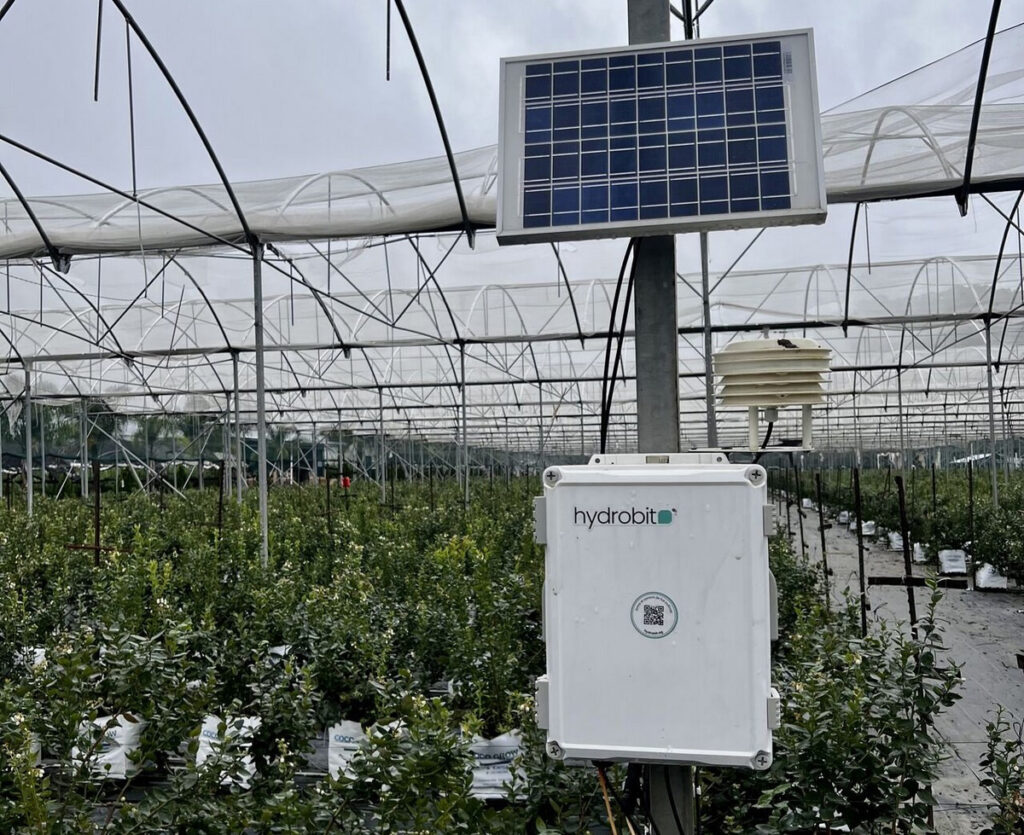
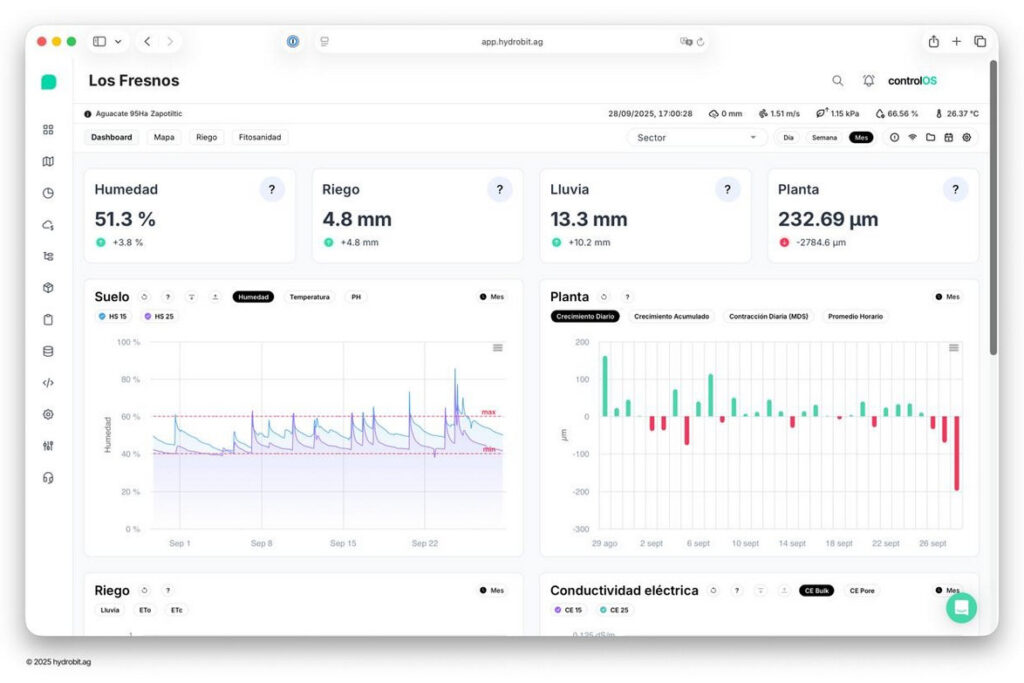
On top of the substrate sits the Hydrobit digital platform, which allows every variable to be monitored in real time from a phone or computer: irrigation, nutrition, plant health — all at a glance.
Why this matters well beyond Mexico
Hydroponics has long proven itself with strawberries, raspberries, and leafy crops. The move to avocado is a signal: the technology has matured to the point where it is ready to tackle the most demanding crops. And if avocado, why not other tree fruits?
For Ukrainian farmers, this is especially relevant in the context of growing high-value crops in greenhouses — sweet cherries, peaches, figs. The principle of controlling nutrition and moisture through substrate and sensors is the same.
What is holding back scaling
For now, hydroponic avocado is a research project, not an industry standard. The substrate and monitoring system require upfront investment. But avocado margins are not the same as lettuce margins either. For those willing to invest in a long-cycle crop, this direction is worth watching closely.