
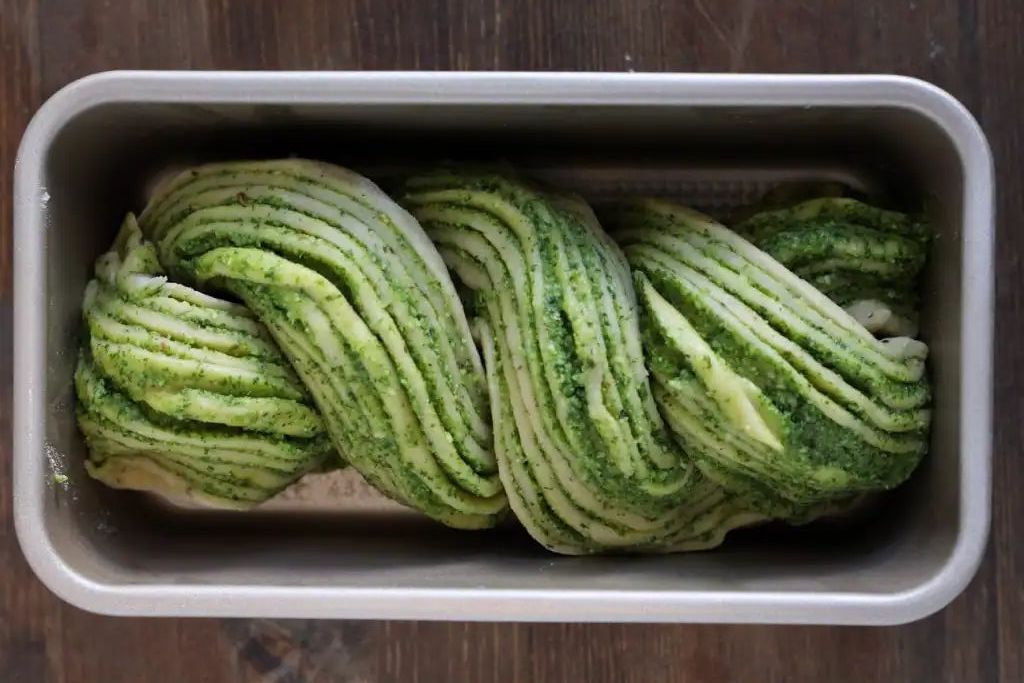
What do you do when your child flatly refuses to eat greens? Tiffany Sanders of Indianapolis found a simple solution — hide them in bread. That is how Sanders Funny Farm was born, a bakery specialising in microgreen-infused baked goods.
How it all started
Two years ago Tiffany decided to make her family’s diet healthier. Microgreens seemed like the perfect option — a concentrated source of vitamins, fast-growing, easy to raise at home. But when the children refused to eat the green sprouts as they were, she took a more cunning approach.
The first experiment: multigrain bread with purple cabbage microgreens. The children ate it and asked for more. No one suspected a thing.
What the farm produces today
The Sanders Funny Farm range includes multigrain bread, pretzels, and festive cinnamon rolls. Microgreens are blended directly into the dough — colour, flavour, and nutrients are distributed evenly throughout each product.
“Bread is the simplest way to introduce people to microgreens,” says Tiffany. And judging by customer feedback, she is right.
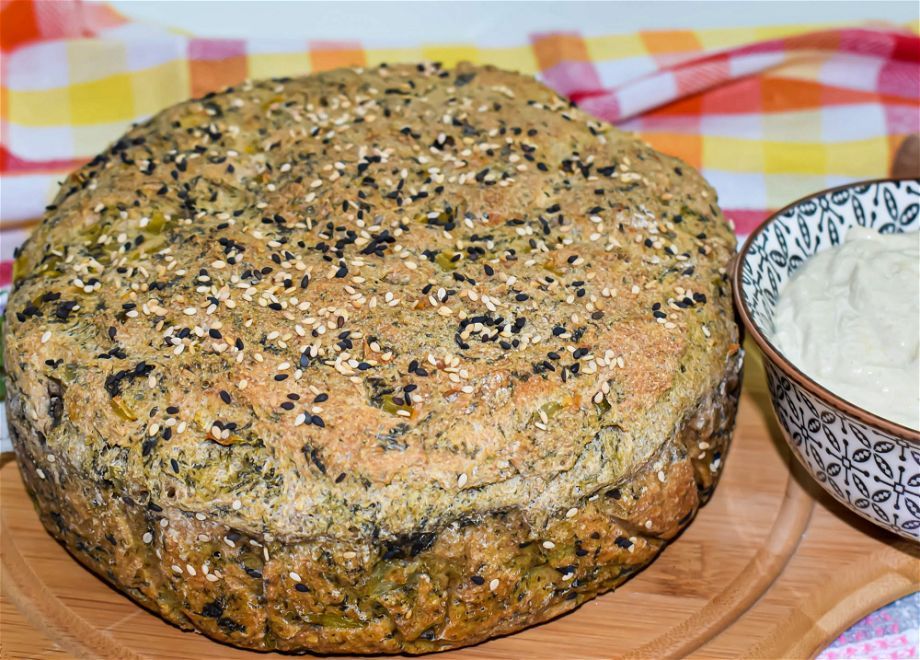
Why this is interesting for the Ukrainian market
In Ukraine, the functional bakery market is only just taking shape. Bread with microgreens is a unique selling proposition that combines two trends at once: healthy eating and local production. Cafés, bakeries, farmers’ markets — they are all looking for a distinctive feature that sets them apart from competitors.
Microgreens in bread is exactly that feature. And the entry threshold is minimal: no special permit, expensive equipment, or large premises required.
A practical idea to try
Try adding sunflower or radish microgreens to homemade bread. Sunflower gives a gentle nutty flavour; radish adds a light peppery kick. Both work beautifully with flour and do not change the colour of the dough beyond recognition.