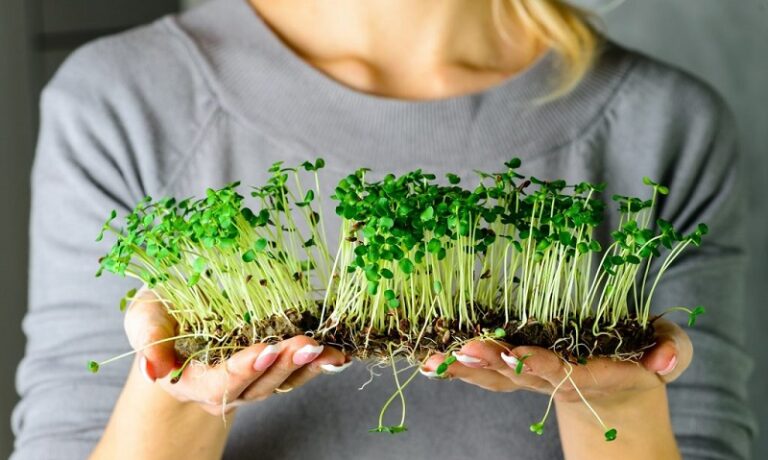


During periods of heightened respiratory illness, it is important to pay attention to natural ways of supporting immunity. Microgreens are young sprouts of vegetables, herbs, and legumes that contain significantly more vitamins, minerals, and antioxidants than mature plants. Regular consumption of microgreens can not only strengthen immunity but also help the body resist viruses — including HMPV, common respiratory infections, and coronavirus.
Why Microgreens Matter for Prevention and Treatment of Respiratory Infections
- High concentration of beneficial compounds: Microgreens contain 4–40 times more vitamins and micronutrients than mature plants. This helps strengthen the immune response and fight viruses more quickly.
- Key components for immune support:
- Vitamin C: a powerful antioxidant that reduces the duration of illness.
- Vitamin A: improves the barrier function of mucous membranes.
- Vitamin E: protects cells from damage and reduces inflammation.
- Zinc and selenium: promote activation of immune cells and lower the risk of complications.
- Antioxidant action: Antioxidants such as sulforaphane (in broccoli) neutralise free radicals and protect cells of the respiratory tract.
- Anti-inflammatory properties: Microgreens — especially broccoli and rocket — help reduce the inflammatory processes triggered by viruses such as HMPV.

Which Microgreens Are Most Beneficial?
- Cress: rich in vitamins C and A, iron, and calcium. Benefit: supports immunity, cleanses the body.
- Broccoli: contains sulforaphane, vitamins C and K. Benefit: reduces inflammation, strengthens cellular immunity.
- Rocket: a source of vitamins A and K and folic acid. Benefit: improves digestion and promotes cell regeneration.
- Pea: contains vitamins C and B, and magnesium. Benefit: supports the cardiovascular system and energy levels.
- Sunflower: rich in zinc, selenium, and vitamin E. Benefit: stimulates antibody production and protects cells.
- Beetroot: contains iron, magnesium, and B vitamins. Benefit: improves circulation and supports tissue recovery.
Recipes for Immune Support
- Immune Mix:
- Broccoli
- Pea
- Rocket
- Vitamin Bomb:
- Cress
- Sunflower
- Beetroot
- Winter Immunity Tonic:
- Cress
- Broccoli
- Pea
- Ginger

Microgreens and HMPV Prevention
Human metapneumovirus (HMPV) causes respiratory illness, particularly in children and the elderly. While there is no specific treatment, microgreens can reduce the risk of infection through the following properties:
- Enhanced immune response: vitamins and antioxidants in microgreens activate immune cells.
- Reduced oxidative stress: compounds in microgreens protect the respiratory tract from damage.
- Anti-inflammatory action: reduces the inflammation caused by the virus.
Conclusion
Microgreens are a natural, accessible, and effective way to prevent illness and support health — especially during the winter and spring seasons. They enrich the body with nutrients, lower the risk of viral infection, and promote faster recovery. By adding microgreens to your diet, you give your body the powerful support it needs to fight seasonal illnesses and viruses.