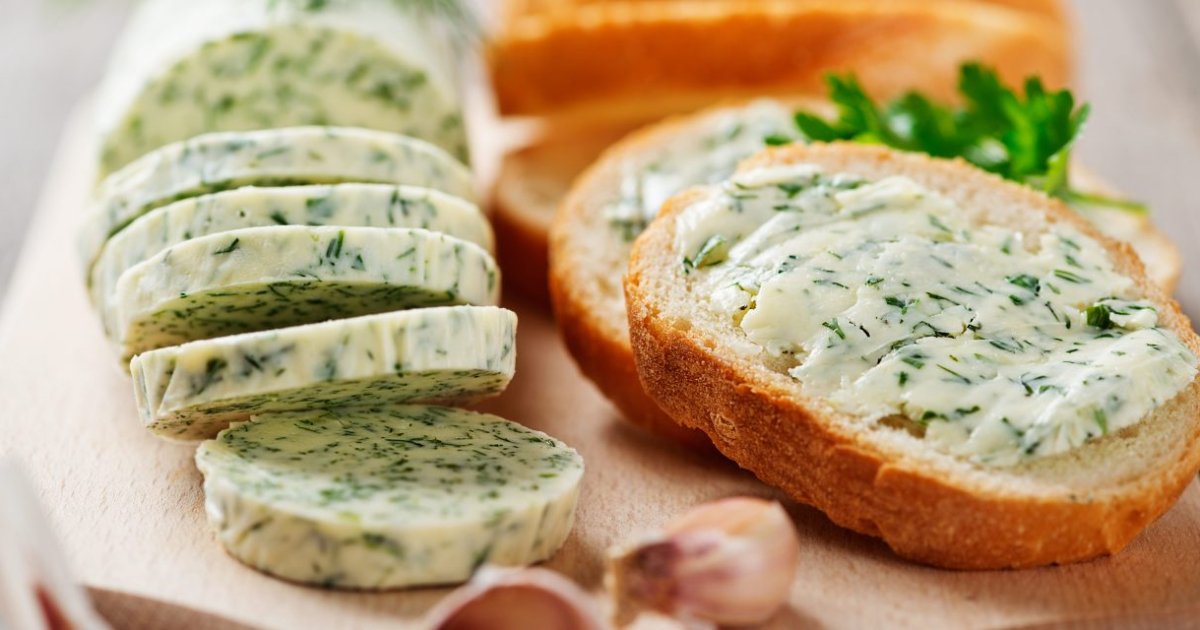
Creamy compound butter folded with fresh microgreens — a simple way to preserve greens for months and gain a versatile kitchen finisher. Melts over hot steak, pasta, or toast and lifts the dish to a new level of flavor.
INGREDIENTS
- 110 g — unsalted butter (room temperature)
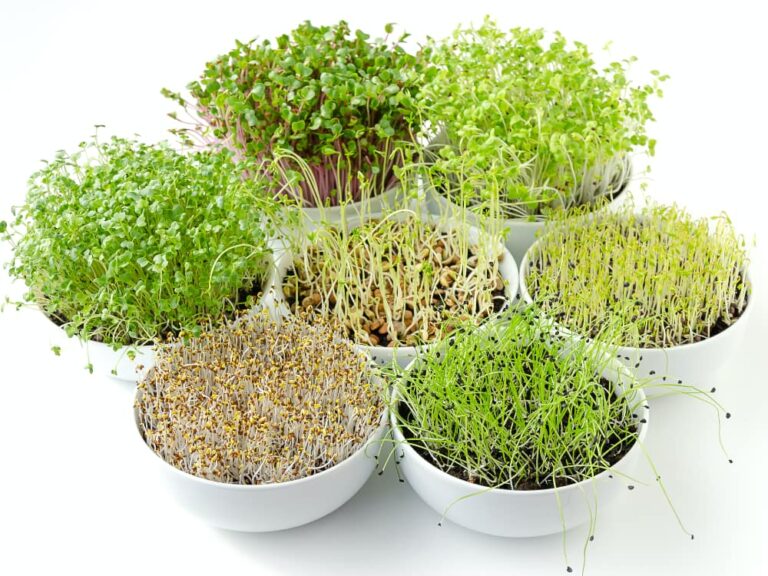
- 1/4 cup — microgreens (single variety or a mix)
- 1 tsp — sea salt
- 1 tsp — freshly ground black pepper
STEPS
- Remove the butter from the refrigerator 30-60 minutes before you begin — it should be soft and pliable, not melted. Soft butter incorporates the greens evenly; cold butter crumbles and does not blend.
- Wash the microgreens and dry them thoroughly with a towel or a salad spinner. Wet greens will thin the butter and shorten its shelf life. Chop finely with a knife or leave the stems whole — a texture choice: chopped distributes more evenly, whole stems look striking on the cut surface.
- In a bowl, combine the butter, microgreens, salt, and pepper. Fold together with a silicone spatula or fork until the greens are evenly distributed. Do not use a hand mixer — the friction will melt the butter.
- Turn the butter out onto a sheet of parchment paper. Shape into a log about 4-5 cm in diameter, fold the edges of the parchment over, and twist the ends like a candy wrapper — this gives you a neat cylinder. Alternatively, press into a ramekin or silicone mold.
- Refrigerate for at least 1 hour until fully set. To serve, slice into rounds 1-1.5 cm thick with a sharp knife dipped in hot water.
Why Compound Microgreen Butter Is More Than a Recipe
Microgreens are delicate and short-lived. Even under ideal storage, they begin to lose their texture within 5-7 days. But there is a way not only to preserve them, but to transform them into a fundamentally different product with a much longer shelf life and broader culinary range. Compound butter is what chefs call a “finishing” element: a small slice placed on a hot dish at the last moment melts and envelops everything in aroma and flavor.
Unlike fresh microgreens, which deliver a single note, the butter releases its flavors in layers: first the rich creaminess, then the fragrance of the greens, then the characteristic note of the specific variety. It is the culinary equivalent of a slow-release flavor system.
Which Microgreens to Use and How They Shape the Butter
Each variety gives the butter a different character:
- Radish or daikon — sharp, spicy butter with a pronounced peppery note. Excellent with steak, grilled fish, or roasted potatoes.
- Pea — sweet, fresh, with a light nutty undertone. Works well with pasta, chicken, seafood, or boiled corn.
- Sunflower — rich, nutty, dense. The most versatile choice — good in virtually any dish.
- Broccoli — fresh, mildly brassica-like, with a gentle bitterness. Great with eggs, fish fillet, or risotto.
- Basil or coriander — vivid aromatic butter, Mediterranean or Asian in character.
- Mix — a balanced option. Equal parts radish, pea, and sunflower give a rounded flavor without sharp edges.
Tip: microgreens that have wilted slightly and lost their crunch are ideal for this butter. The flavor remains full — and texture no longer matters.
Forming Techniques and Serving Options
The parchment log is the most practical format: easy to slice into even rounds, visually elegant on a plate, and simple to store or freeze. A diameter of 4-5 cm produces rounds of ideal size for serving alongside steak or toast.
Other options:
- Ramekin or small glass — for serving at the table as a spread with bread. Leave at room temperature for 10 minutes before serving.
- Ice cube tray — freeze individual 1-tsp portions. Convenient to drop directly into pasta, soups, or sauces straight from the freezer.
- Pressed mold — pack into a silicone mold, chill, unmold. Flower or geometric shapes work well for restaurant-level presentation.
How and Where to Use It
Microgreen butter is a flavor amplifier button for any hot dish:
- Steak or fish — place a round on the hot piece immediately after removing from heat. The butter melts and becomes a natural sauce.
- Pasta — in place of plain butter or cream. It dissolves in hot pasta in 30 seconds and coats every strand.
- Toast or grilled bread — spread on hot toast. The butter melts, the greens warm gently, and the aroma opens up.
- Roasted vegetables — place a round on hot roasted sweet potato, cauliflower, or courgette straight from the oven.
- Omelette or fried eggs — add at the end of cooking instead of plain butter for a finishing layer.
- Mashed potato — melt several rounds into hot mash in place of plain butter.
- Grilled corn — rub a hot cob with a round of butter — the classic American technique, with a microgreen upgrade.
Storage and Freezing
Refrigerator: up to 2 weeks in an airtight wrap. Butter readily absorbs surrounding odors — always wrap tightly in parchment or store in a sealed container.
Freezer: up to 3 months. The most convenient method: slice into rounds, lay on a parchment-lined tray, freeze solid, then transfer to a zip-lock bag. Individual rounds are easy to grab one at a time.
Important: never re-thaw frozen butter at room temperature — it degrades the texture and shortens shelf life. Take it straight from the freezer directly into a hot dish.
Compound Microgreen Butter for HoReCa
For restaurants and cafes, compound butter is a simple way to elevate a dish without adding service time. A single round placed on a steak before it leaves the kitchen creates a wow effect that justifies a higher plate price. The butter can be made in weekly batches, kept frozen, and used portion by portion.
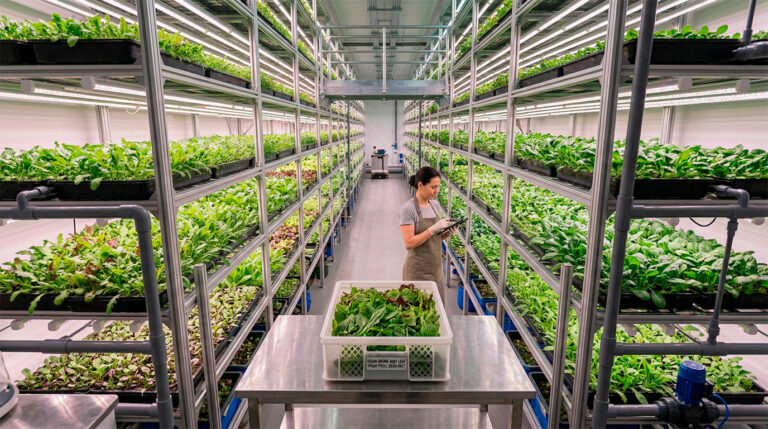
An additional advantage for microgreen growers: compound butter is the ideal way to use stock that is approaching the end of its fresh window. Instead of a discount or write-off — a value-added product with a longer shelf life.
CHEF'S TIPS
The microgreens must be thoroughly dry — moisture thins the butter and shortens shelf life. Slightly wilted microgreens work perfectly: full flavor, texture no longer relevant. Freeze in individual rounds: grab one at a time and drop straight into a hot dish.