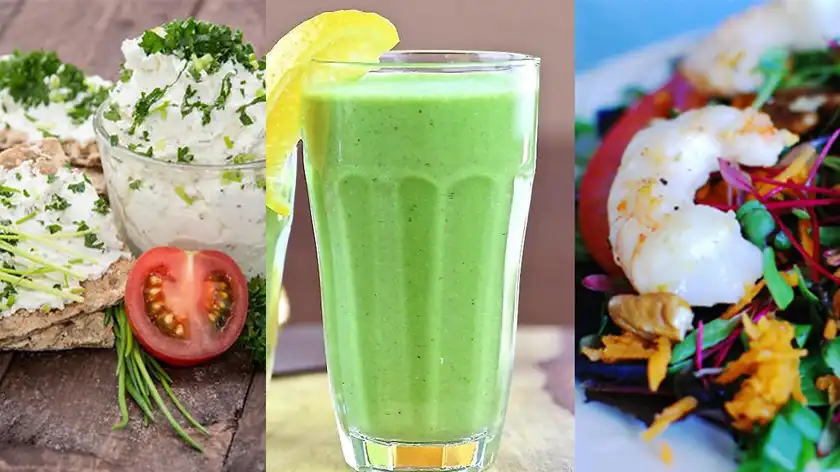
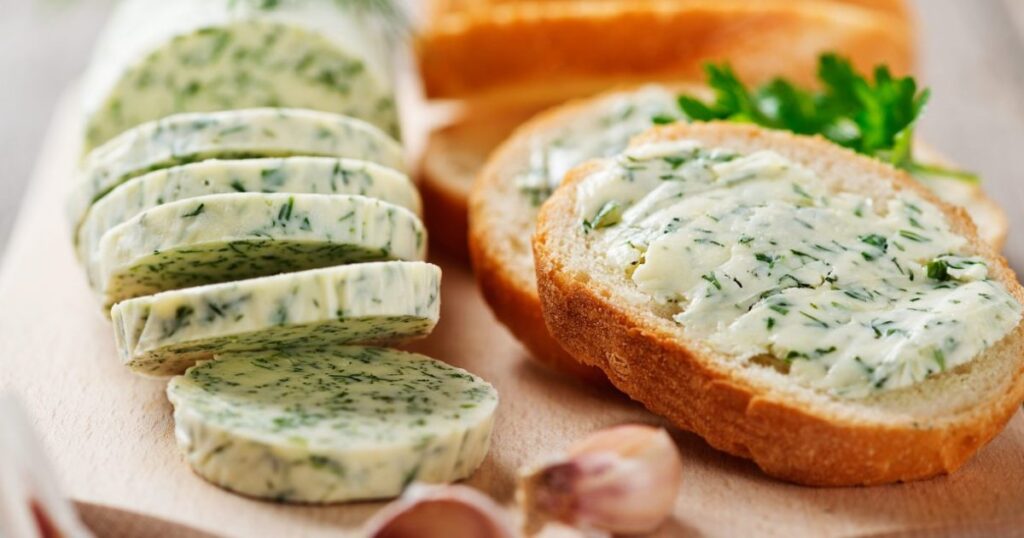
Aromatic Microgreen Butter
Creamy compound butter folded with fresh microgreens — a simple way to preserve greens for months and gain…

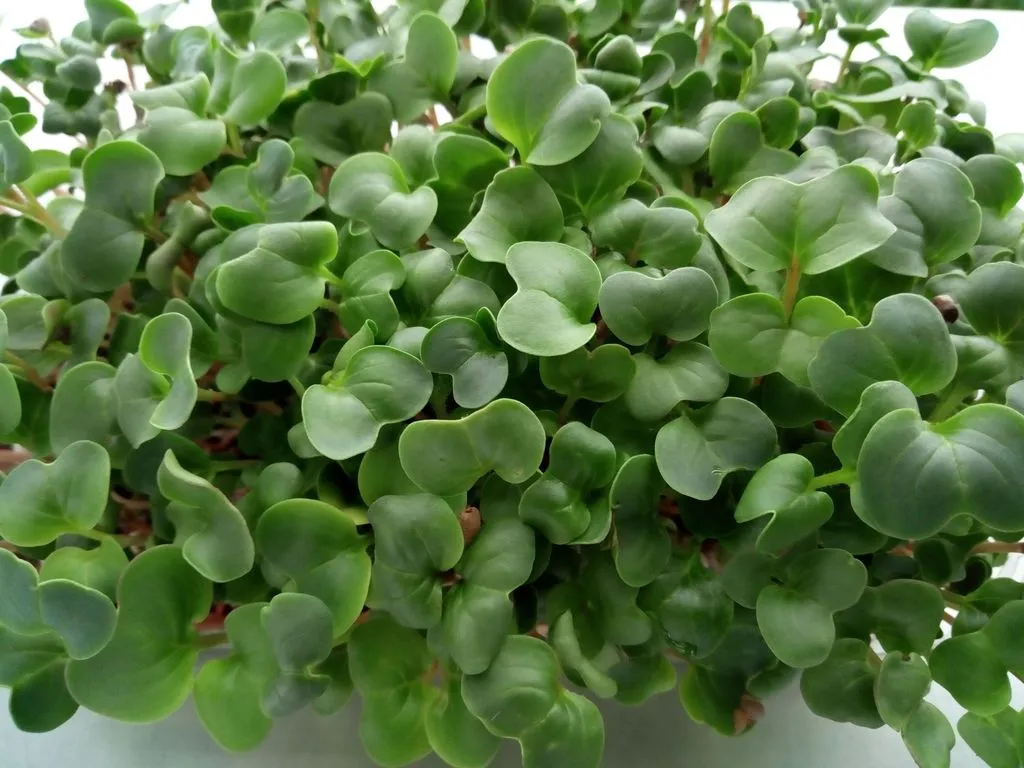
Raphanus sativus var. longipinnatus
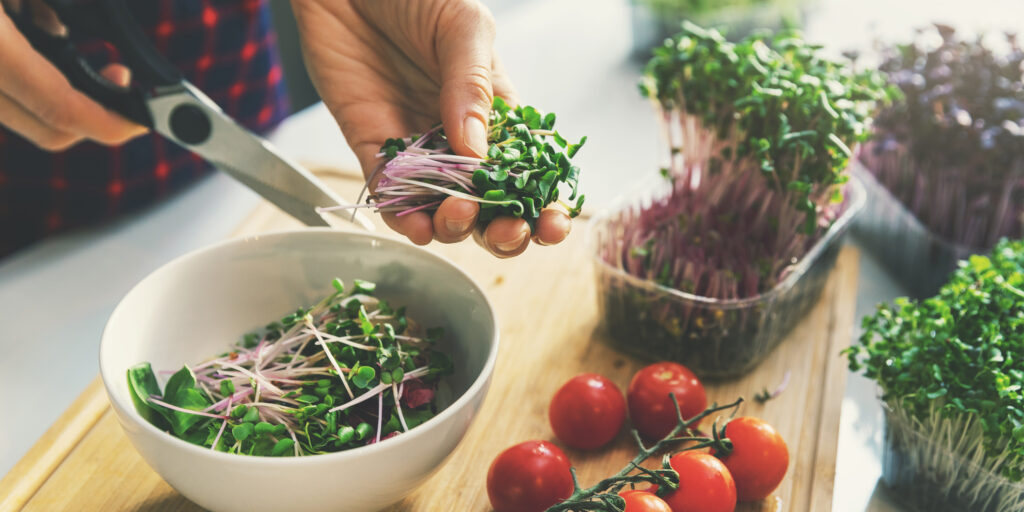
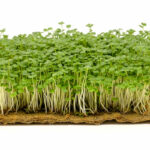
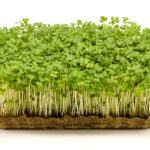
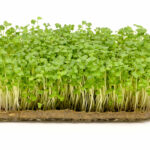
Daikon radish in microgreens is not at all the humble root vegetable that is hidden in vinaigrette. A thick juicy stem, large leaves and a noticeable crunch make it one of the most noticeable crops on the plate. At first there is a fresh sweetness, then a moderate sharpness is revealed, which leaves a feeling of cleanliness and appetite.
Flavor profile
Fresh, sharp, refreshing - a light sweetness, then a moderate spiciness opens, which does not burn, but awakens. Discreet, fresh aroma.
light sweetness, then a moderate sharpness opens, which does not burn, but awakens. Daikon is softer than ordinary radish - less spiciness, more volume and juiciness
Discreet, fresh, without a sharp smell. Not at all "radish" in the usual sense. Even in the kitchen when slicing, it will not dominate other ingredients.
The stem is thick and literally explodes with juice when chewed - this is the main feature of daikon. Among the entire line, microgreen radish gives one of the most noticeable crunches
Ripening and optimal harvest time
Maximum juiciness and gentle sharpness, the optimal moment for collection.
The taste is richer, the stem is more pronounced, the weight output is maximum.
З'являється справжнє листя з жорсткими ворсинками, смак стає грубіший, текстура гіршає.
Why flavor may vary batch to batch
The sharpness of radish depends on the content of glucosinolates, which are concentrated above at cool cultivation (+14...+18°C). At warm (+22°C and above) sprouts are more delicate and less sharp. Radishes are hotter than radishes - take this into account when choosing the amount for dishes. Cut time on day 7-8: early cut is softer, late cut is sharper.
Culinary use
Radish is a great culinary accent. Add fresh at the end of cooking or directly on the plate.
put a handful of radishes on a plate before serving - the broth will slightly soften the stems, but the crunch will remain
radish is a mandatory component, it helps to balance fish taste and fat content
horizontally sliced radishes add moisture and structure without getting soggy
50/50 with spinach or other delicate greens - radish gives volume and "carries" the dressing
a small slide of radish on a plate is not a decoration, but a function: it facilitates absorption
radish + ricotta or cream cheese + a drop of lemon - a simple breakfast with character
Perfect pairings
Keeps its shape perfectly next to more delicate cultures - spinach, tat-soy
The spiciness of radish balances the fattiness of meat and complements fish dishes without overloading
Sesame oil and soy sauce is the most organic combination for an Asian radish profile
Home storage
Radish is one of the most hardy crops in storage due to its thick, juicy stem.
Keep the tray in the refrigerator at +2...+5°C. Cut as much as you need at one time. Under such conditions, greens remain fresh and crispy for up to 10–14 days.
Place in an open container or plate, cover with a damp paper towel. Don't seal — without air, greens yellow faster.
Don't wash until ready to eat. Wet greens spoil much faster. Rinse just before serving.
Pro tip: Daikon is one of the most stable crops in storage. A dense stem will not wilt as quickly as basil or dill. This is an advantage when selling: you can cut a batch and store it without loss of quality for up to 10 days.
Nutrients & health
Radish is valued for its rich vitamin-mineral composition and bioactive compounds typical of microgreens.
Like most microgreens, radish contains a concentrated amount of nutrients relative to its weight — many times more than the mature plant.
| Protein | 2.8 g — building material for cells |
|---|---|
| Calories | ~33 kcal |
| Vitamins | C, B9, K |
| Minerals | Potassium, Calcium |
This information is general in nature and is not medical advice. Composition data: USDA FoodData Central.
Worth knowing
Vitamin C in convenient form
Radish is a good vegetable source of vitamin C. It can be an interesting addition to the diet during the fall and winter season - especially for those who limit sweet fruits and are looking for alternatives.
Natural enzymes
Radish is traditionally used in Asian cooking precisely in combination with fatty and protein dishes. It is a source of diastase and amylase, enzymes involved in the breakdown of starch and fats. Therefore, serving radish with meat or fatty fish is not just a taste tradition.
Sulfur-containing compounds
Radishes, like all cruciferous vegetables, contain glucosinolates — sulfur-containing substances, which are responsible for their characteristic sharp taste. These compounds are of scientific interest, although specific medical recommendations cannot be made based on current data.
Folic acid (B9)
traditionally considered an important element of a balanced diet, especially for women of reproductive age. Radish is one of the vegetable sources of this vitamin.
Big, round, even - easy to sow
Step-by-step guide
Daikon seeds are large, round, smooth - it is a pleasure to work with them. No soaking is required: the seeds quickly absorb moisture from the substrate and start without any additional preparations.
Check before sowing:
If you want to speed up the start, pour the seeds into a sieve and briefly cover them with warm water (do not soak!). This activates the outer layer of the seed and accelerates germination by 10-12 hours.
Why is the norm important: less than 7 g - uneven, thin scales with large openings. More than 12 g - suffocation begins in the center of the tray, and mold usually starts from there.
Required weight: 1–2 kg.
Daikon has powerful roots - much stronger than radish. Without pressure, the roots do not sink into the substrate, but lift the entire "carpet" from the seed into the air. As a result: uneven stairs, root on the surface, sprouts fall and do not keep vertical.
How to organize:
Do not cover the tray hermetically during pressing. It is enough to leave a gap between the load and the side of the tray for minimal air exchange - this reduces the risk of mold in the first days.
The tray stands in the dark at +18...+24°C. Sprouts stretch out, gain height and turn white (this is normal - they will turn green in the light).
What is normal:
What needs attention:
Watering during a blackout: usually not needed. Daikon drinks water more actively than radish - if after 2 days the substrate is dry, spray from below or from a sprayer.
Expose to light when the sprouts reach 4-5 cm and most of them have shed the seed coat. If you leave earlier, the stairs will be too short and pale.
Lighting:
Watering:
Daikon is one of the record holders for water consumption among microgreens. It actively accumulates juice in the stem, and for this it needs water.
Ventilation is critical:
Due to the dense planting and large mass of greenery, the air in the center of the tray does not circulate well. Without blowing, the risk of rotting of the lower tier increases sharply. Turn on the fan or ensure constant ventilation of the room.
Raise the tray over a glass or on a stand - this way air passes from below and cools the root zone. A simple trick that significantly reduces the risk of mold.
Watering
Storage
| Uncut in tray | Fridge +4...+6°C | up to 3 weeks |
|---|---|---|
| Cut in container | Refrigerator | up to 7 days |
| Room temperature | 1–2 days |
Harvest
If on the 7th day of the growing season real leaves with hard villi appeared, this is already an overripe crop. Don't delay.
With a knife or scissors under the root, as close as possible to the substrate. Daikon is one of the heaviest crops to grow, so cutting low is economically justified. There will be no regrowth.
Seasonal adjustments
The optimal range for Radish: 5.8–7.0. Radish grows optimally in a weakly acidic environment. Regular tap water in most regions is perfect. At pH higher than 7.5, there is a slight slowdown in growth.
Optimal range: 1.0–2.0 mS/cm. Radish is resistant to mineralization. The level of burning is determined by the genetics and time of collection, not the EC of the water.
Experienced grower tips
Raising the tray = ventilation from below
Place the tray on 4 small cups or a stand 3-5 cm high. Air will pass under the tray and cool the roots - this dramatically reduces the risk of root rot in dense planting.
Check the weight of the tray, not the clock
Raise the tray - if it is significantly lighter compared to yesterday, it's time to water. For daikon, a "light tray" is a critical signal.
Mix daikon + radish
The 50/50 combination gives a beautiful contrast: red stalks of radish and white daikon. Both cultures have the same cycle, the same conditions are suitable. The spiciness of such a mix is a little more, but it looks spectacular.
Take your time in the light
Wait until 80% of the sprouts shed their seed coat. If you leave earlier, those that have not dropped will remain with crooked leaves. One extra day in the dark is worth less than missing a party.
Live sale is a real option
Daikon in a live tray at +4°C can be kept for up to 2 weeks. It is convenient: the buyer cuts the required amount himself, and the rest remains fresh.
Variety selection
Daikon (Raphanus sativus var. longipinnatus)
The most common choice. Gives a massive, thick stem, a large yield of weight, a milder sharpness. It is he who is the "heavyweight" among microgreens. Recommended for commercial cultivation due to stable output and long-term storage.
Common radish (Raphanus sativus)
Smaller stem, more pronounced sharpness. Suitable if you need a brighter, richer taste.
Що далі?
More crops in the catalog
Explore similar and contrasting flavors — from basil to amaranth
Creamy compound butter folded with fresh microgreens — a simple way to preserve greens for months and gain…
A fresh, protein-rich salad with shrimp, grated carrot, tart apple, toasted walnuts, and crispy radish microgreens in a…
Crispy toast loaded with creamy avocado, a runny egg, and peppery radish or cress microgreens. A complete breakfast…