
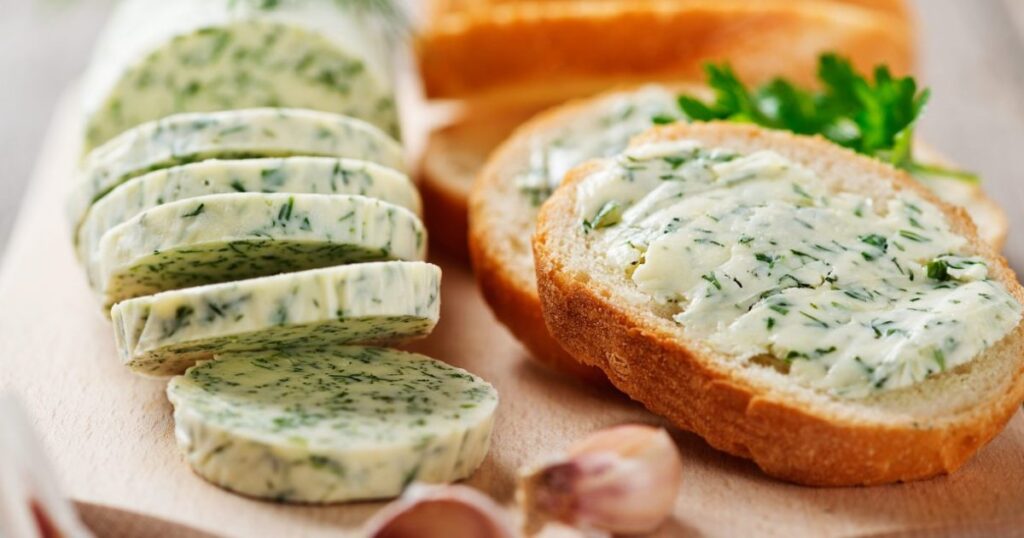
Aromatic Microgreen Butter
Creamy compound butter folded with fresh microgreens — a simple way to preserve greens for months and gain…
Helianthus annuus
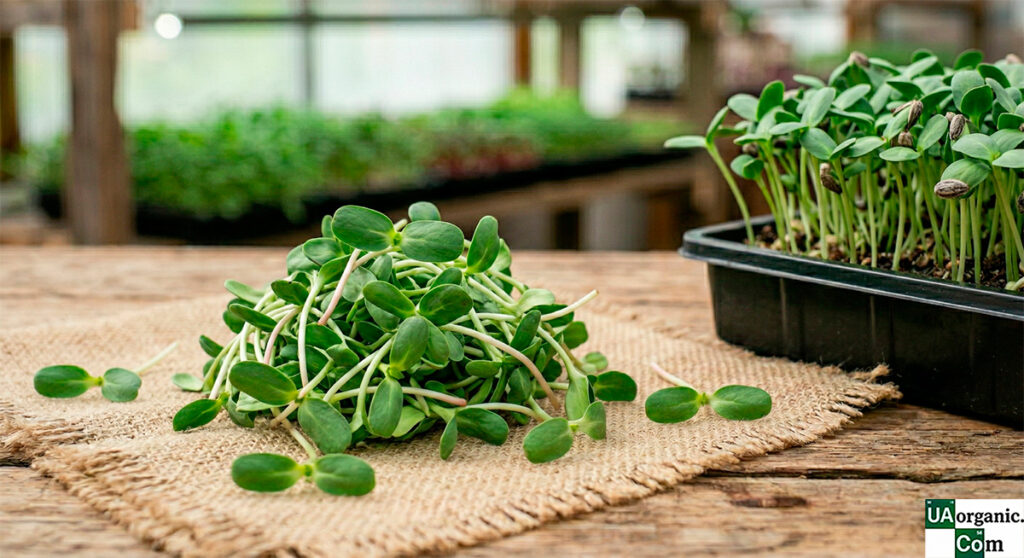
People's favorite and an absolute bestseller. Large fleshy sprouts that crunch sonorously on the teeth and taste like young sunflower seeds - sweet, nutty, oily. Sunflower is so tasty by itself that it is often eaten straight from the box. An ideal start for getting to know the world of microgreens.
Flavor profile
Sweet, nutty, oily - like fresh young sunflower seeds. pleasant aroma.
like fresh young sunflower seeds. Gentle and balanced, without bitterness or sharpness
Light smell of fresh greens and sunflower oil. Unobtrusive, pleasant.
The densest among all microgreens — the stem is juicy and full, the cotyledons are elastic. You can hear the crunch even with a light bite
Ripening and optimal harvest time
The cotyledons open, the taste is the most tender and sweetest.
Optimal: large elastic cotyledons, crunch and juiciness at their peak.
Between the cotyledons, the first real leaf begins to appear - the sunflower begins to turn bitter. Cut immediately or product loses quality.
Why flavor may vary batch to batch
The nutty taste of sunflower microgreens depends on the lighting and stage of cultivation. At bright light and a temperature of +20...+22°C the taste is rich, nutty, slightly sweet. At low light the sprouts are pulled out and the taste is neutral. Important cutting stage: on the 8-10th day, when the cotyledons have opened and have not yet turned too green — this is the moment of maximum taste and nutrition.
Culinary use
Sunflower is a great culinary accent. Add fresh at the end of cooking or directly on the plate.
sunflower + olive oil + lemon juice + sea salt + pine nuts — minimalistic and delicious
sunflower as a base + avocado + poached egg + sesame seeds — hearty and beautiful
a layer of sunflower instead of or next to a leaf salad - crunch and nutrition
40% sunflower + 30% peas + 30% mizuna — a classic hearty triad
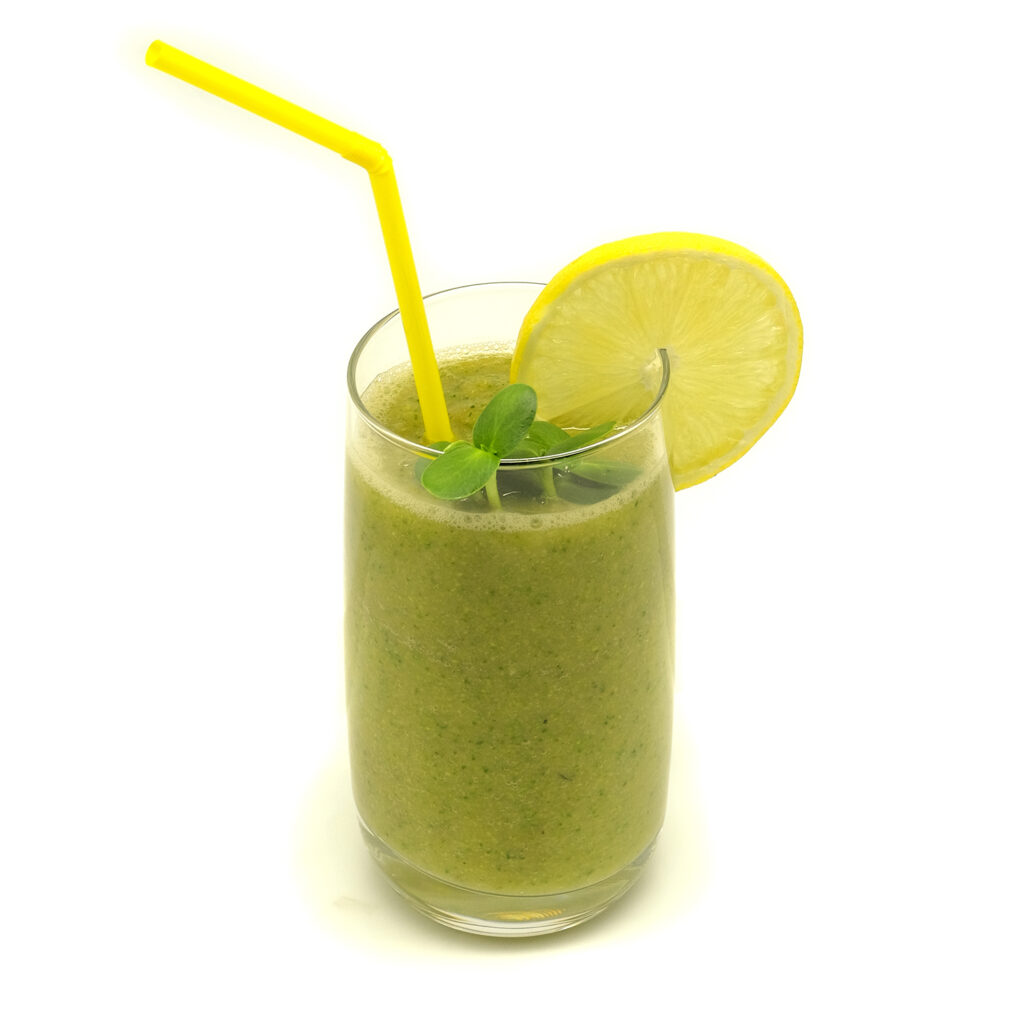
sunflower + banana + apple juice + ginger — a thick and creamy drink
sunflower next to steak or baked chicken - instead of potatoes or bread for those who monitor the diet
Perfect pairings
Mango, banana, smoothies are the best combinations
A handful of sunflower seeds is a complete snack
Sunflower is not just an additive - it is a self-sufficient basis that provides satiety and a delicate nutty taste
Home storage
Sunflower keeps longer than most microgreens. Follow simple rules to keep it fresh for up to 14 days.
Refrigerator +2...+5°C. The term is up to 14 days. Cut before serving.
Refrigerator +2...+5°C, open or semi-open container. The term is 10–14 days. Sunflower is one of the most durable in terms of storage, it keeps turgor and crunch for a long time.
Don't wash until ready to eat. Wet greens spoil much faster. Rinse just before serving.
Nutrients & health
Sunflower is valued for its rich vitamin-mineral composition and bioactive compounds typical of microgreens.
Like most microgreens, sunflower contains a concentrated amount of nutrients relative to its weight — many times more than the mature plant.
| Protein | до 4 г g — building material for cells |
|---|---|
| Calories | ~45 kcal |
| Vitamins | E, D |
| Minerals | Zinc, Magnesium, Iron |
This information is general in nature and is not medical advice. Composition data: USDA FoodData Central.
Worth knowing
Vitamin E
is found in sunflower in a noticeable concentration - it is a fat-soluble antioxidant, and sunflower as an oil crop is a natural source of it. It is better absorbed with a small amount of fat (olive oil in the dressing).
Vitamin D
in plant products — a rarity. Sunflower is one of the few plant sources of this vitamin, although the concentration is much lower than in animal products.
Vegetable protein
up to 4 g per 100 g — a record among leafy microgreens (not including legumes). A valuable addition to the diet for those looking for plant-based sources of protein.
Zinc and magnesium
in quantities noticeable for a plant product.
Large, in a hard shell
Step-by-step guide
Soaking is mandatory - it softens the hard shell and activates the seeds. Without it, seedlings are uneven, some seeds germinate 2-3 days later.
Sunflower seeds are often contaminated — they carry mold spores on the surface of the husk. Add a few drops of hydrogen peroxide (3%) or phytosporin solution to the soaking water - significantly reduces the risk of mold in dense sowing. After soaking, be sure to wash the seeds with clean water.
The most important parameter for sunflower. The clamp performs three functions simultaneously:
Remove — when the sprouts have reached 3–4 cm and begin to raise the clamp from below.
What is normal:
What is NOT normal:
Watering: when drying - the lower one through the pallet. Sunflower drinks a lot.
After emerging from the darkness, a large part of the sprouts may have husks on the cotyledons. The husk is edible, but spoils the marketable appearance.
Bath technique:
It is convenient to take a "bath" in the evening before going to bed - leave it under a film for the night. In the morning, the husk will fall off much easier. Do not leave under the film for more than 6-8 hours at a warm temperature - the risk of mold increases.
Lighting:
Temperature: +18...+22°C. Sunflower is unpretentious.
Watering: abundant lower through pallet. Sunflower "drinks like a horse" - with a lack of moisture, it withers in a few hours. But after watering it quickly recovers. Check the humidity of the substrate twice a day in the heat.
Ventilation: daily ventilation. Dense sowing + large seeds = risk of mold in stagnant air.
Watering
Storage
| Uncut in tray | Fridge +4...+6°C | up to 3 weeks |
|---|---|---|
| Cut in container | Refrigerator | up to 7 days |
| Room temperature | 1–2 days |
Harvest
Sharp knife or scissors. Before cutting, "shake" the tray well - the remains of the husk will fall off.
Immediately before use or sale.
Seasonal adjustments
Optimum range for sunflower: 6.0–7.0. Undemanding to pH. Normal tap water is fine. At a pH below 5.5, yellowing of the lower leaves may appear.
Optimal range: 1.0–1.5 mS/cm. Sunflower is moderately demanding for nutrition - large seeds contain enough nutrients. Additives are not required for substrate cultivation.
Experienced grower tips
"Bread" of microgreen business
Sunflower is the heaviest crop (120–150 g per tray) and the most popular among buyers. If you need one crop to start commercial cultivation with, it is sunflower.
Disinfection of seeds is a mandatory habit
Sunflower seeds are often contaminated. Peroxide or phytosporin when soaking - 5 minutes of work, which save entire batches from mold.
Sunflower + peas are a classic duet
The same agricultural technology, a similar cycle. The 50/50 mix has the crunch of sunflower and the sweetness of peas. The best selling mix in most markets.
The "shake before cutting" technique
An hour before cutting, shake the tray slightly - the remains of the husk will fall off by themselves. The cut will be cleaner and the sink easier.
Variety selection
Loose sunflower
Common sow luzany
The best choice. Without husk - even germination, maximum output. Nutty taste.
Black sunflower
Confection Sunflower with husk
Thorough soaking is required. The output is more massive, the taste is a little richer.
Що далі?
More crops in the catalog
Explore similar and contrasting flavors — from basil to amaranth
Creamy compound butter folded with fresh microgreens — a simple way to preserve greens for months and gain…
A thick green smoothie with sunflower microgreens, banana, and apple — mild nutty flavor, no bitterness, packed with…
Crispy toast loaded with creamy avocado, a runny egg, and peppery radish or cress microgreens. A complete breakfast…