
Flower list
 Anise Hyssop
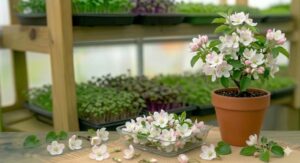 Apple Blossom
 Bee Balm
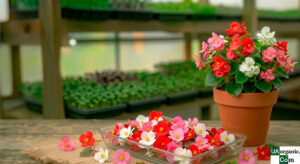 Begonia
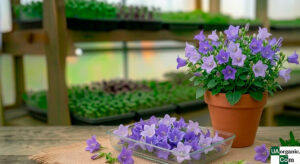 Bellflower
 Black Locust
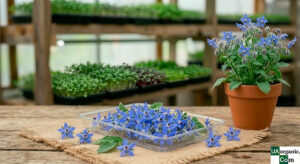 Borage
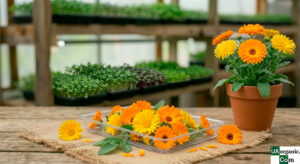 Calendula
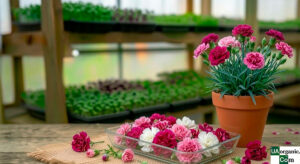 Carnation
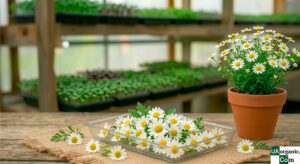 Chamomile
 Chive Flower
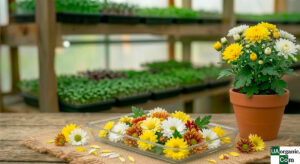 Chrysanthemum
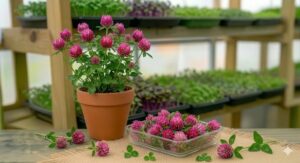 Clover
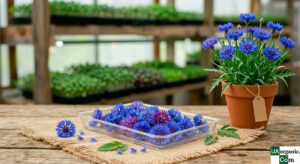 Cornflower
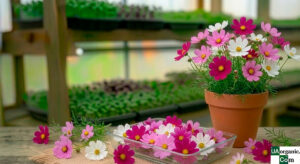 Cosmos
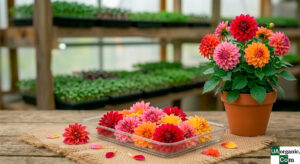 Dahlia
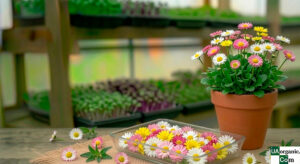 Daisy
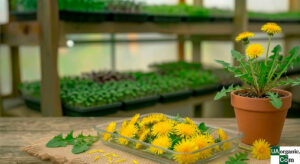 Dandelion
 Dill
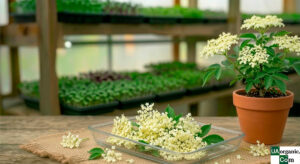 Elderflower
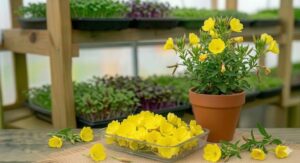 Evening Primrose
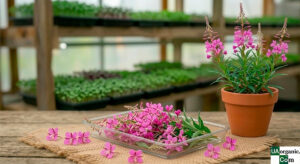 Fireweed
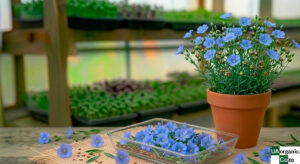 Flax
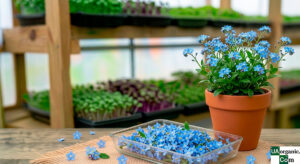 Forget-Me-Not
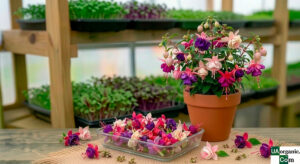 Fuchsia
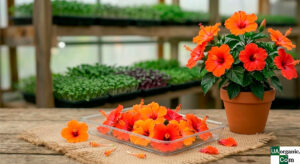 Hibiscus
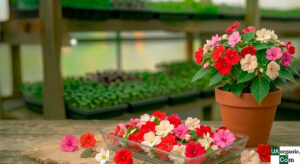 Impatiens
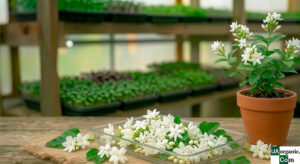 Jasmine
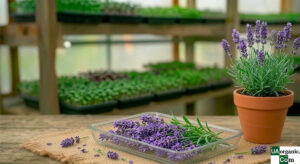 Lavender
 Linden
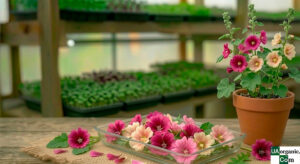 Mallow
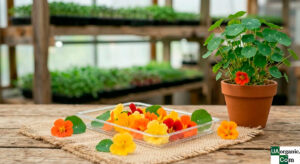 Nasturtium
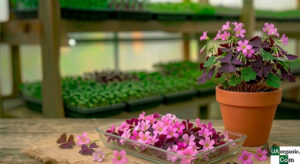 Oxalis
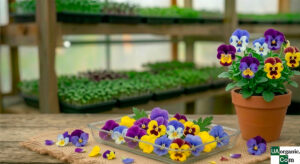 Pansy
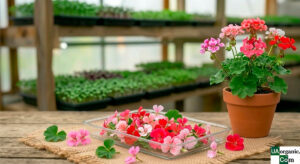 Pelargonium
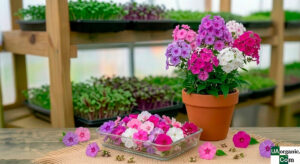 Phlox
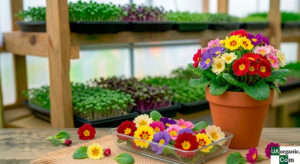 Primrose
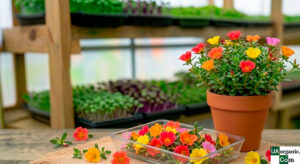 Purslane
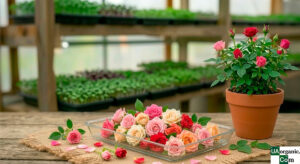 Rose
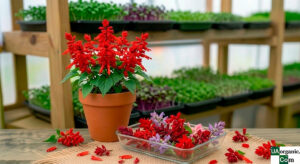 Sage
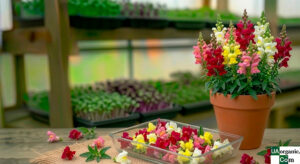 Snapdragon
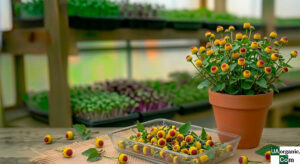 Spilanthes
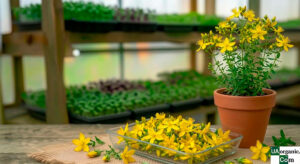 St. John's Wort
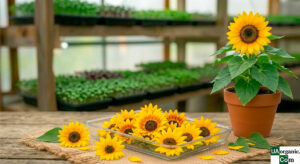 Sunflower
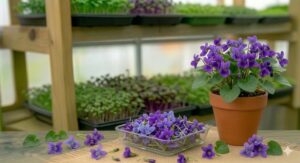 Sweet Violet
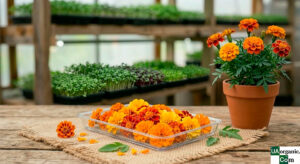 Tagetes
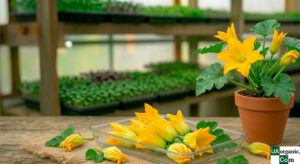 Zucchini Flower
Nothing found. Reset the filters or change the search.
Collections
Purple and blue
All 15Colors that are rare on a plate
Questions
Which flowers can you eat?
This catalog lists 47 kinds that are eaten whole or in part: nasturtium, pansy, borage, calendula, cornflower and others. Each card says which part of the flower is edible.
Can you eat flowers from a florist?
No. Cut flowers from a florist are treated with pesticides that are not approved for food. Use flowers grown for the kitchen.
Which flowers go in a salad?
29 flowers in the catalog suit salads, for example nasturtium, borage, pansy, calendula, chive flower, cornflower. Add them right before serving so the petals do not wilt.
Which flowers are good for a cake?
24 flowers suit cakes and desserts, for example pansy, rose, cornflower, lavender, pelargonium, borage. Put them on the frosting just before serving, or candy them in sugar ahead of time.
How do you store edible flowers?
In the fridge, in a closed container on a damp paper towel. Most keep 2-5 days; delicate petals wilt sooner, so pick them in the morning and use them the same day if you can.
Are edible flowers safe for children and people with allergies?
In small amounts, yes, if they are kinds from this catalog grown without pesticides. People allergic to ragweed or mugwort should be careful with daisy-family flowers: chamomile, calendula, dandelion, chrysanthemum.